
Defense Resource Management Institute - Defense Resources Management Institute
The DRMI is Now Part of the Defense Security Cooperation University (DSCU)

The Office of the Under Secretary of Defense Policy (OSDP) announced on 25 September 2023, that the DRMI has realigned to the Defense Security Cooperation University (DSCU), a directorate of the Defense Security Cooperation Agency (DSCA). The DRMI is now one of five DSCU components. In collaboration with the rest of DSCA, the University’s cross-functional components and headquarters’ sections work in concert to create synergies that benefit students, strategic partners, and the National Defense Strategy. “As DSCU strives to be the center of intellectual life for the Security Cooperation Enterprise, adding DRMI’s integral mission and impressive faculty to DSCU’s ranks is a major step,” said Dr. Celeste Gventer, DSCU President. DSCU’s mission is to advance the knowledge and practice of Security Cooperation through the education, training, and development of the U.S. Security Cooperation workforce and through the education, training, and institutional capacity building of partner nations; and to produce research, analysis, and lessons learned that expand the intellectual foundations of Security Cooperation. "We are thrilled to join DSCU and DSCA in recognition of our 60 years of contributing to the U.S. security cooperation mission. We look forward to continuing to provide outstanding executive and professional education in resources management, financial management, and other aspects of defense institutional capacity building," said Dr. Natalie J. Webb, DRMI's Executive Director.
Senior International Defense Management Course Featured in New Video
COVID-19 Status Update: DoD Health Protection Condition Level A (DoD HPCON A)
-
Monterey County is in Community Transmission Level "Low" (Per U.S. CDC)
-
Masking is not required indoors
-
Physical distancing is not required
-
International arrivals are no longer required to quarantine
-
Allowance for vaccinations other than FDA-authorized: any COVID-19 vaccine authorized by a partner nation
-
COVID-19 testing is no longer required for international arrivals to the U.S.
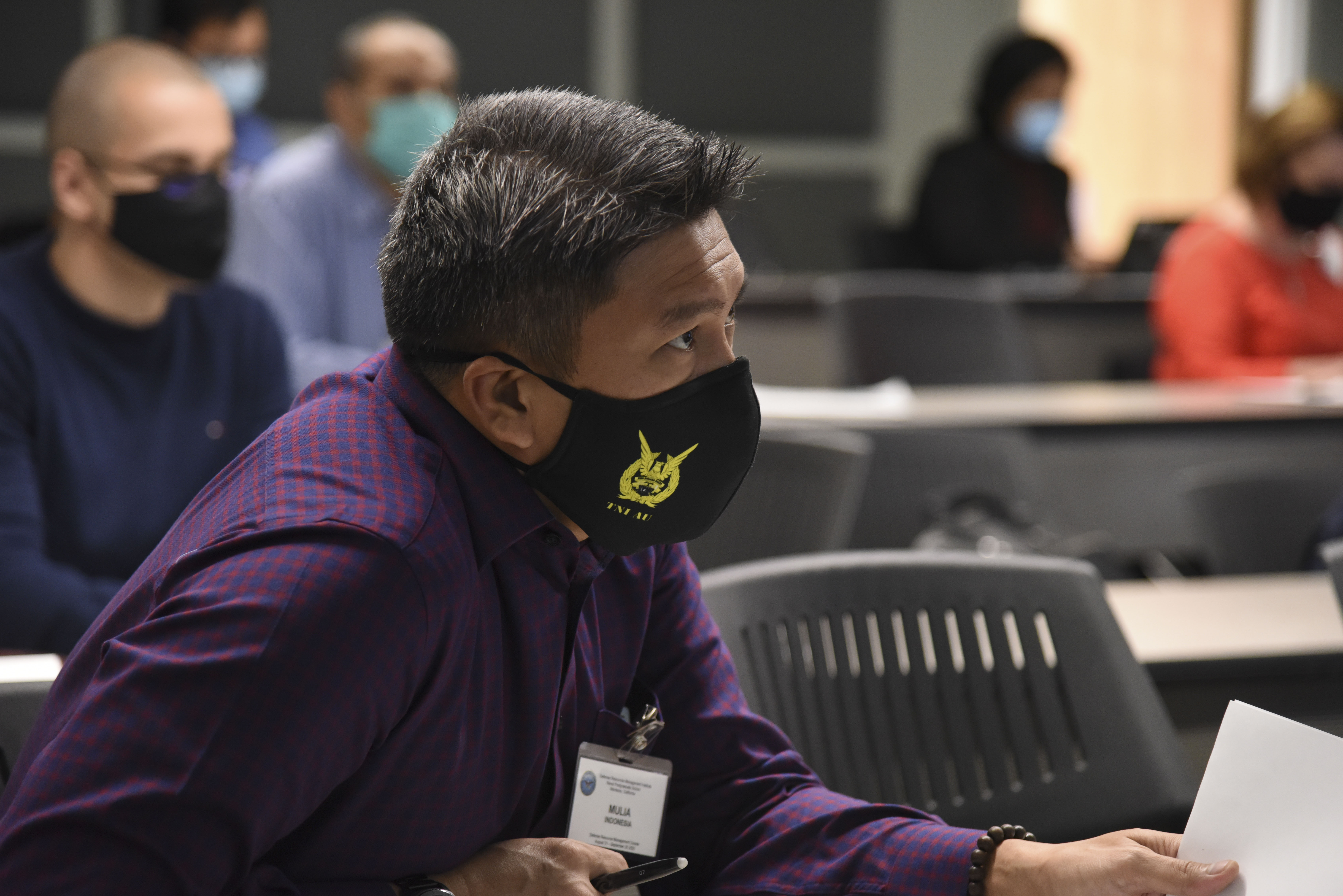
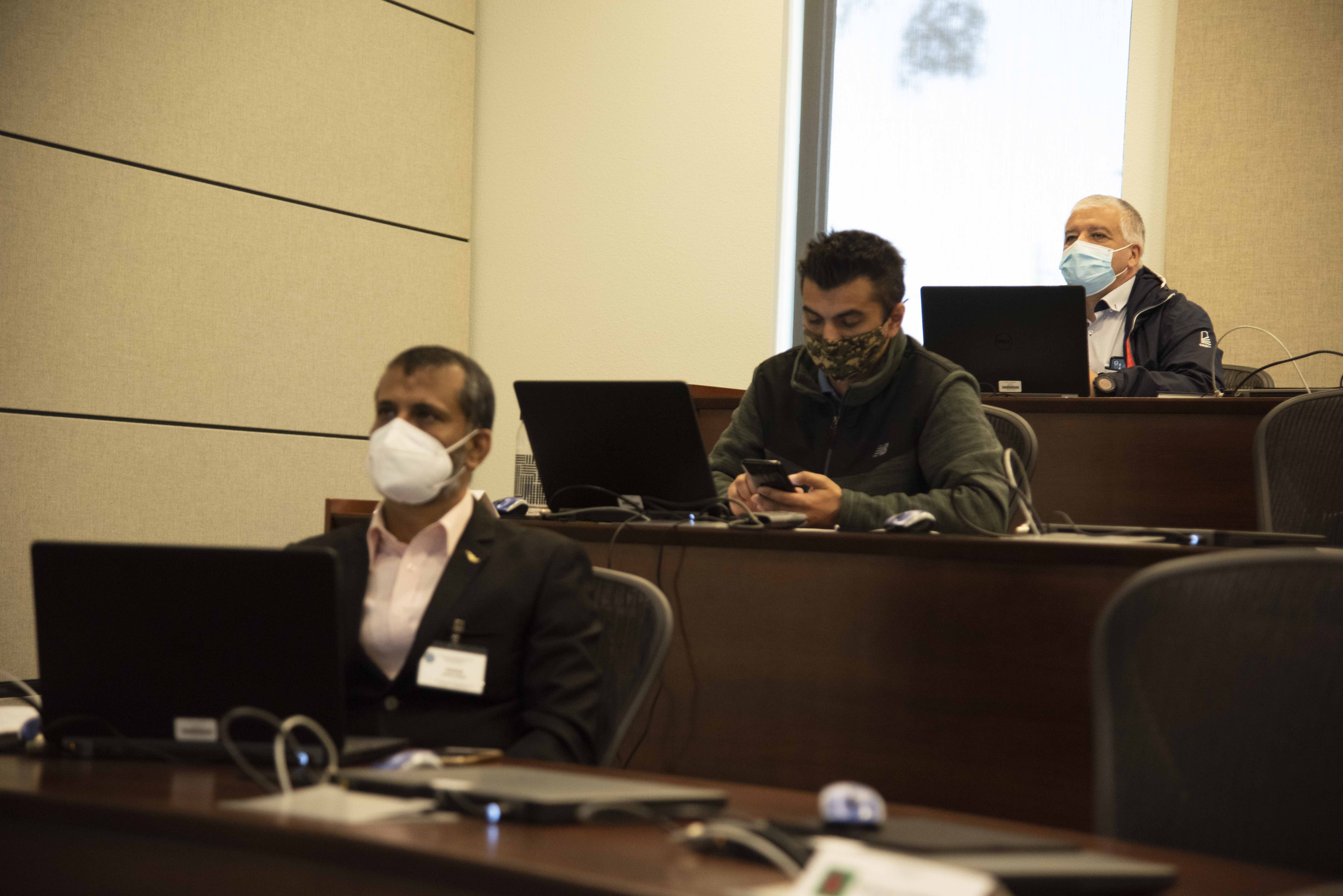
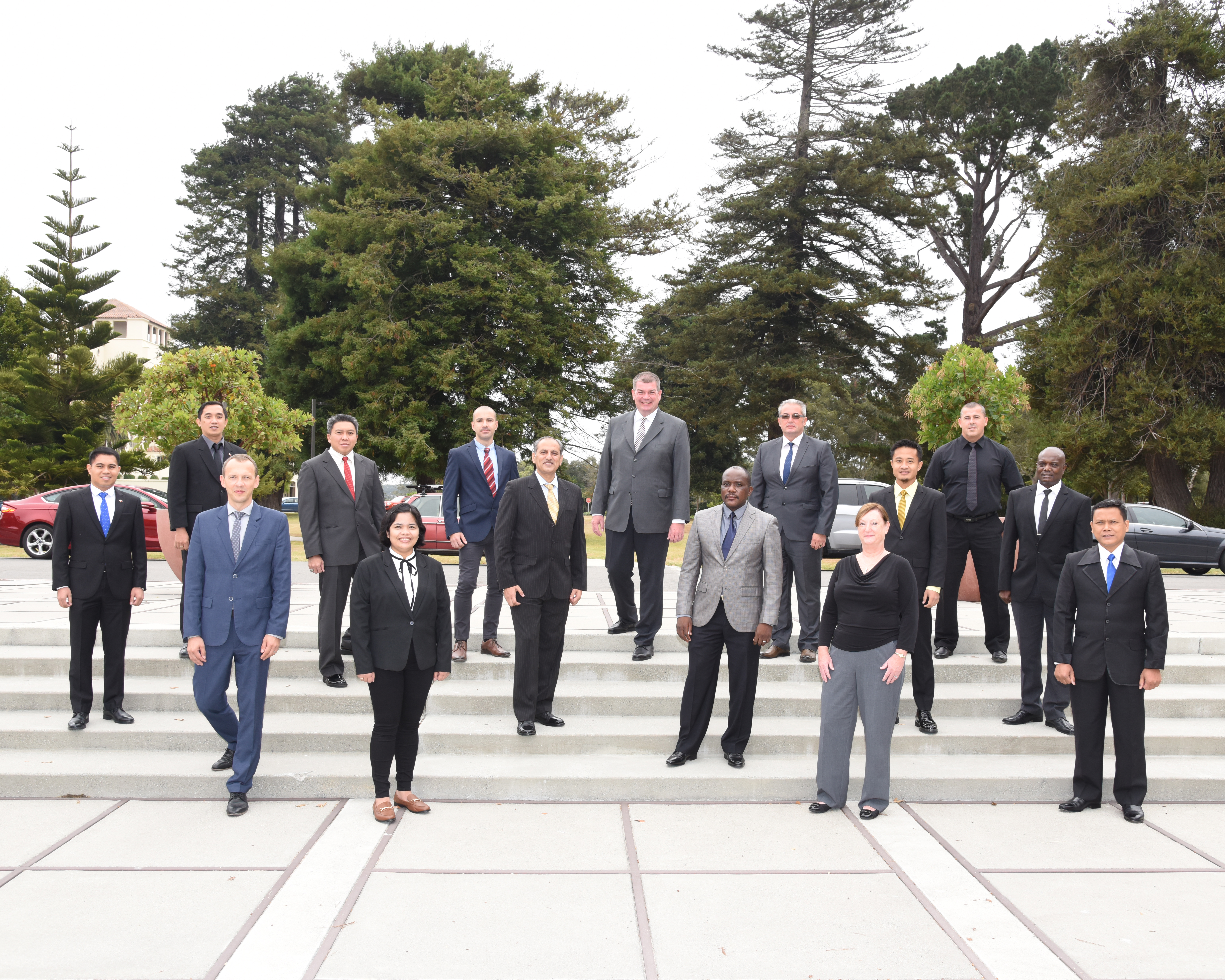
Defense Resources Management Course (DRMC 24-1)
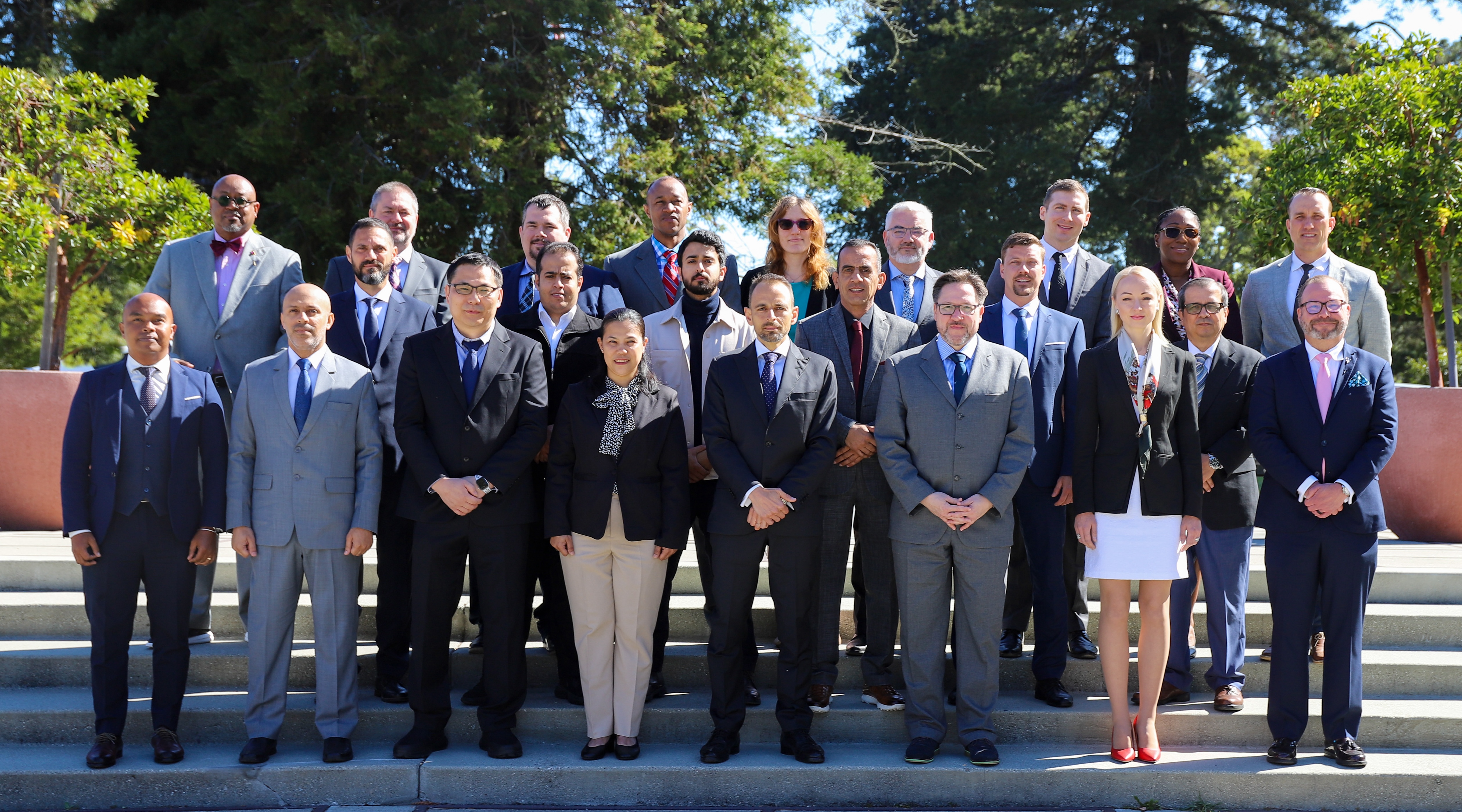
On 1 April 2024, the DRMI welcomed 24 participants from 10 allied and partner nations (Germany, Italy, Jamaica, Jordan, Latvia, Madagascar, Oman, Philippines, Saudi Arabia, and Slovenia) and the United States to the first convening in FY24 of the four-week Defense Resources Management Course (DRMC 24-1).
Data Analytics for Financial and Resources Management Course
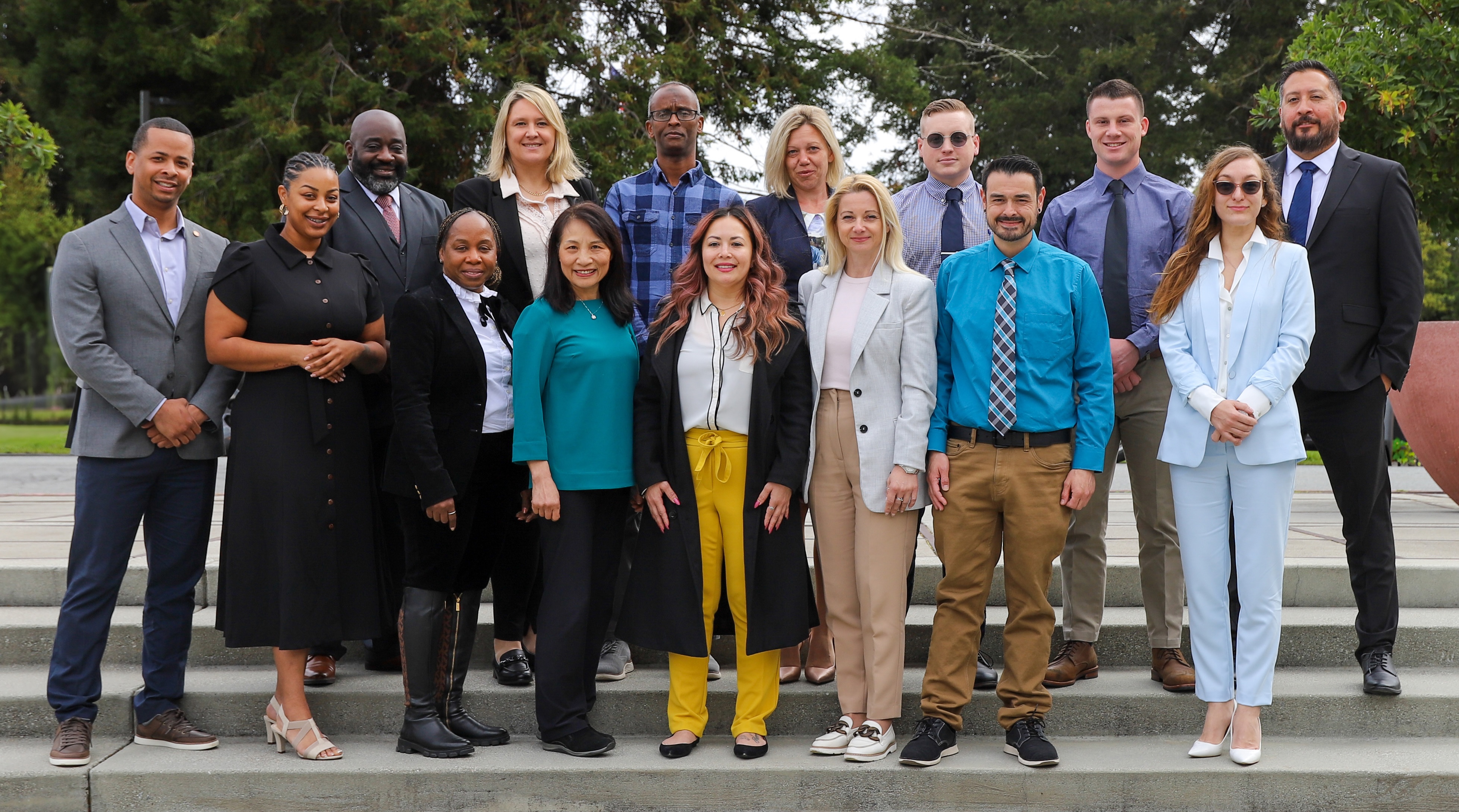
On 18 March 2024, the DRMI welcomed 16 participants from four allied and partner nations (Djibouti, Latvia, Serbia, and Slovenia) and the United States to the two-week Data Analytics for Financial and Resources Management Course.
International Defense Management Course (IDMC 24-1)

On 10 October, the DRMI welcomed 36 participants from 21 allied and partner nations (Albania, Bangladesh, Bulgaria, Djibouti, Egypt, Ghana, Guinea-Bissau, Indonesia, South Korea, Kosovo, Lebanon, Madagascar, Mongolia, Morocco, North Macedonia, Philippines, Sri Lanka, Tunisia, Ukraine, Uruguay, and Zambia) to the first convening in FY24 of the ten-week International Defense Management Course (IDMC 24-1).
Defense Resources Management Course (DRMC 23-4)
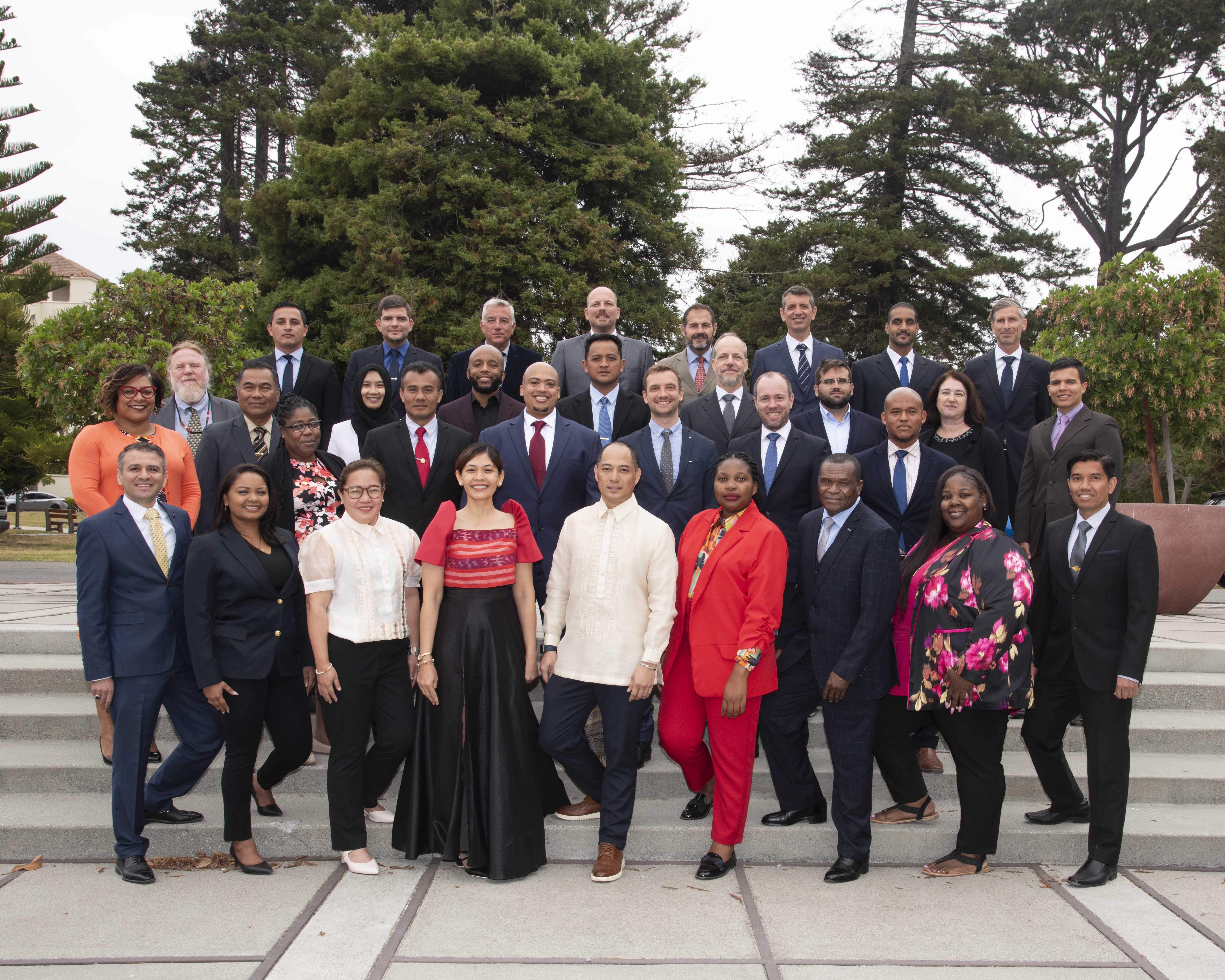
On 28 August, the DRMI welcomed 34 participants from 16 allied and partner nations (Congo, Costa Rica, Germany, Greece, Hungary, Indonesia, Italy, Jamaica, Jordan, Lithuania, Malawi, Malaysia, Oman, Philippines, Spain, and Trinidad-Tobago) and the United States to the fourth convening in FY23 of the four-week resident Defense Resources Management Course (DRMC 23-4). Additionally, four participants from the United States are taking the course virtually via distance learning.
54th Annual Senior International Defense Management Course (SIDMC 23-1)
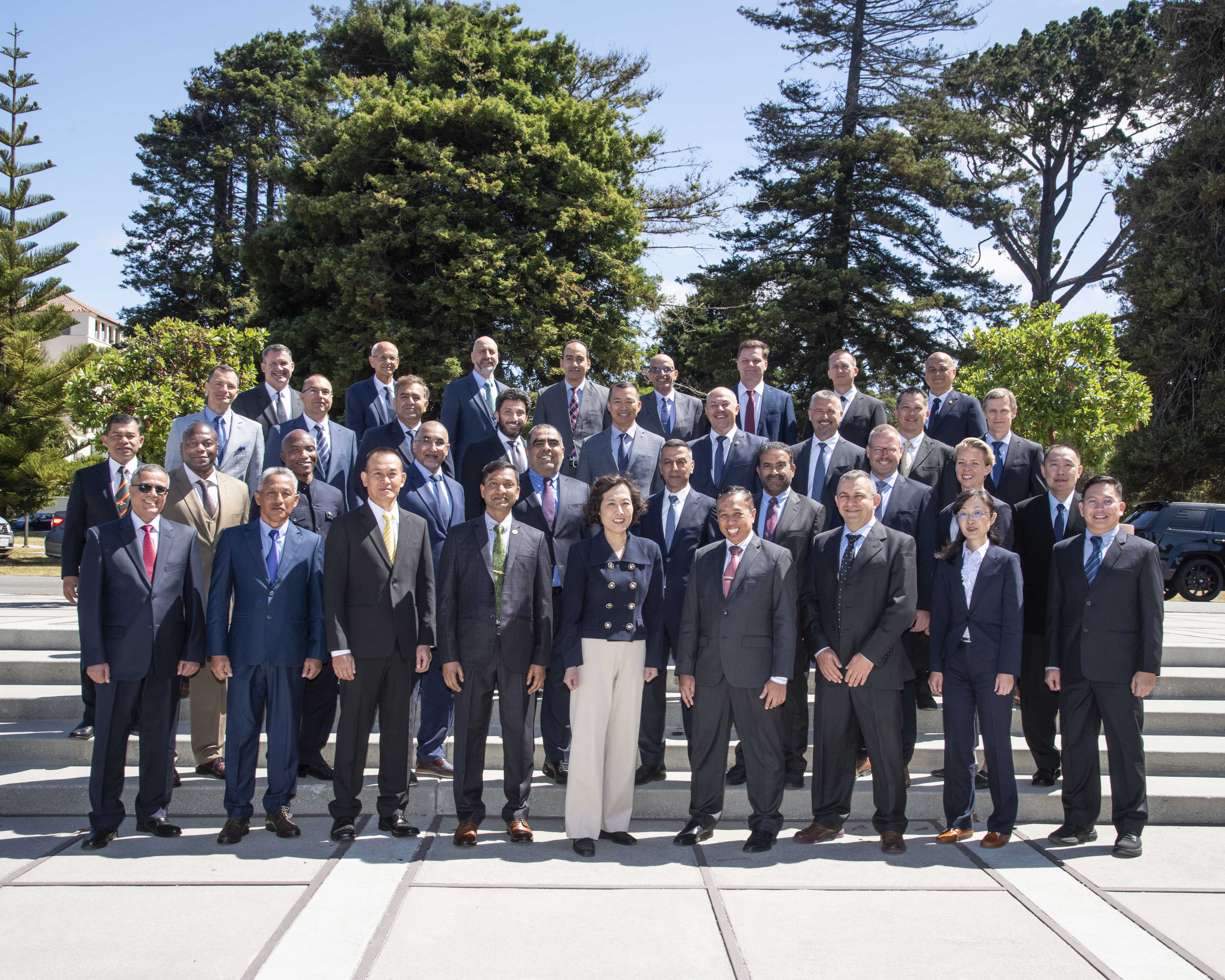
The DRMI welcomed 36 flag and general rank military officers and senior defense officials from 23 allied and partner nations (Bangladesh, Bulgaria, Egypt, Estonia, Germany, Hungary, Italy, Japan, Jordan, South Korea, Lebanon, Lesotho, Malaysia, North Macedonia, Pakistan, Poland, Qatar, Saudi Arabia, Sweden, Switzerland, Thailand, and Ukraine) and the United States to the 54th annual Senior International Defense Management Course on 30 July. This four-week resident course will graduate on 25 August.
Defense Resources Management Course (23-3)
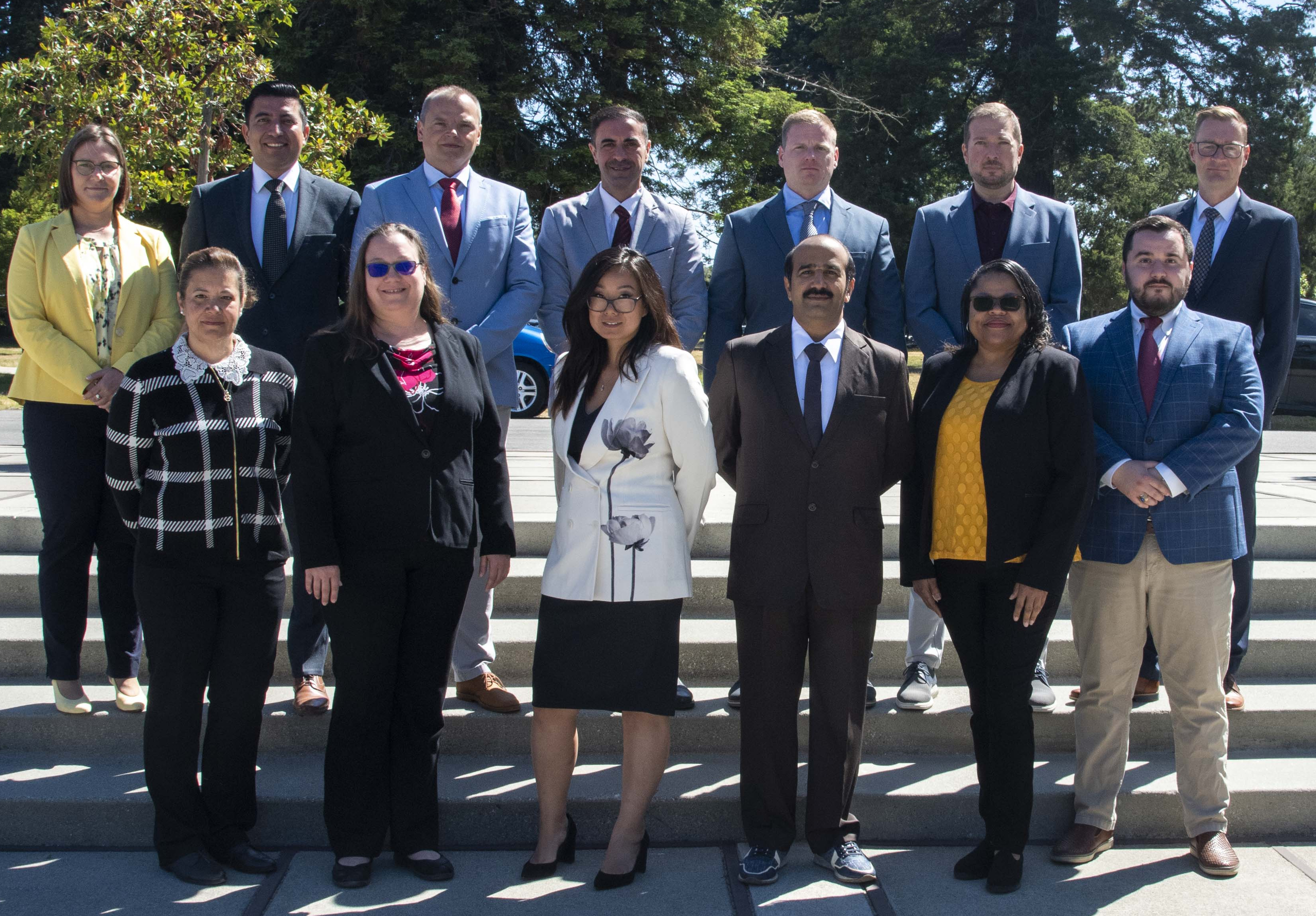
The DRMI welcomed 13 participants from five allied and partner nations (Germany, Jordan, Mexico, Oman, and Poland) and the United States to the third convening in FY23 of the four-week resident Defense Resources Management Course (DRMC 23-3) on 12 June 2023. Additionally, seven participants from the United States are taking the course virtually via distance learning.
Defense Resources Management Course (23-2)
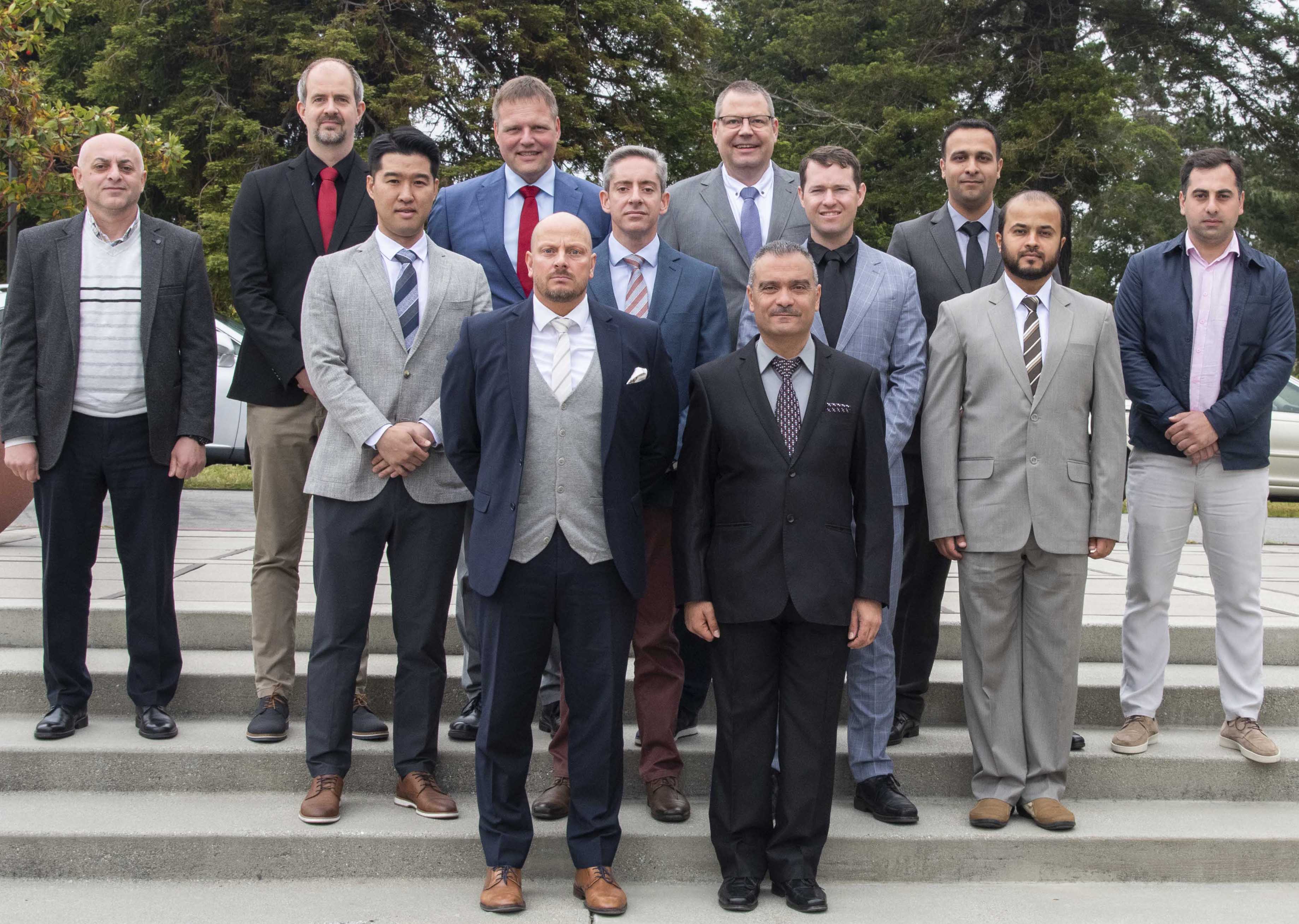
The DRMI welcomed 12 participants from five allied and partner nations (Chile, Georgia, Germany, Jordan, and Oman) and the United States to the second convene in FY23 of the four-week Defense Resources Management Course (DRMC 23-2) on 15 May 2023. Additionally, three participants from the United States are taking the course virtually via distance learning.
Defense Resources Management Course (23-1)
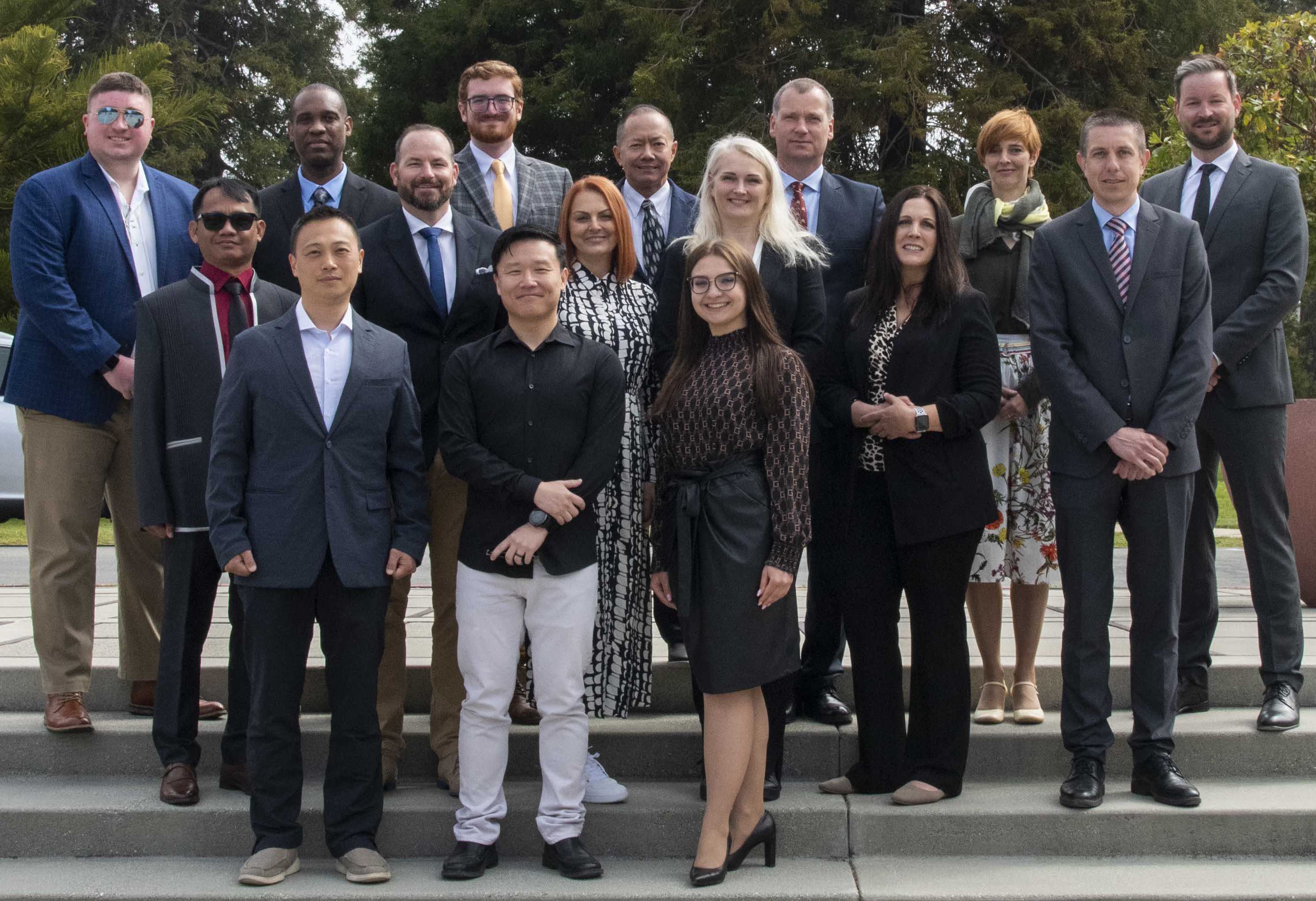
The DRMI welcomed 18 participants from seven allied and partner nations (Croatia, Germany, Estonia, Latvia, Lithuania, Philippines, and Slovenia) and the United States to the first convene of the Defense Resources Management Course in FY23 (DRMC 23-1) on 17 April 2023. Additionally, four participants from the United States are taking the course virtually via distance learning. The four-week course will graduate on 12 May 2023.
Introduction to Budgeting Concepts Course (23-1)
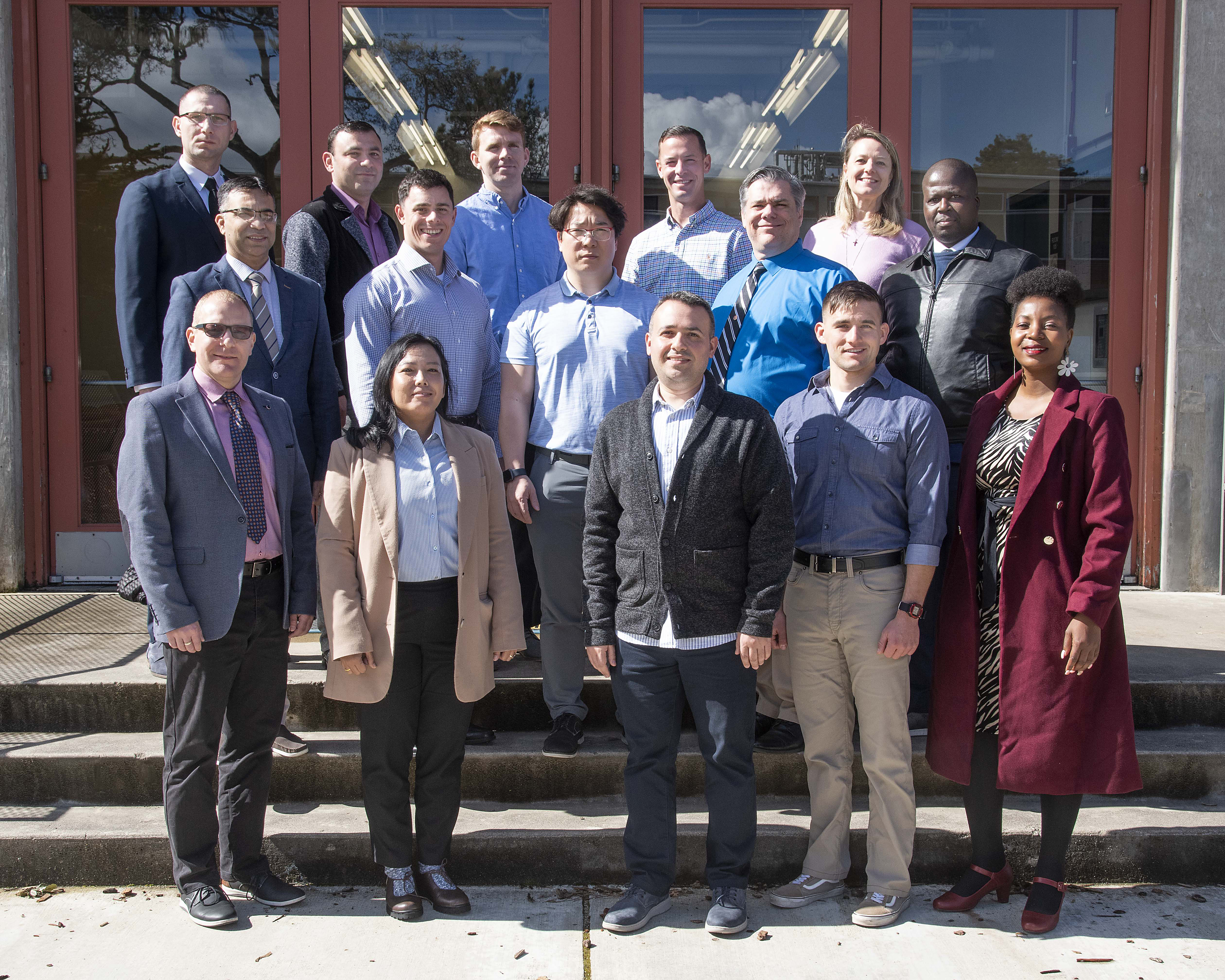
The DRMI welcomed 15 participants from seven allied and partner nations (Angola, Indonesia, Jordan, Pakistan, Poland, Serbia, and South Africa) and the United States to the two-week resident Introduction to Budgeting Concepts course on 6 March 2023. Additionally, nine participants from the United States took the course virtually via distance learning.
Performance Management and Budgeting Course (23-1)
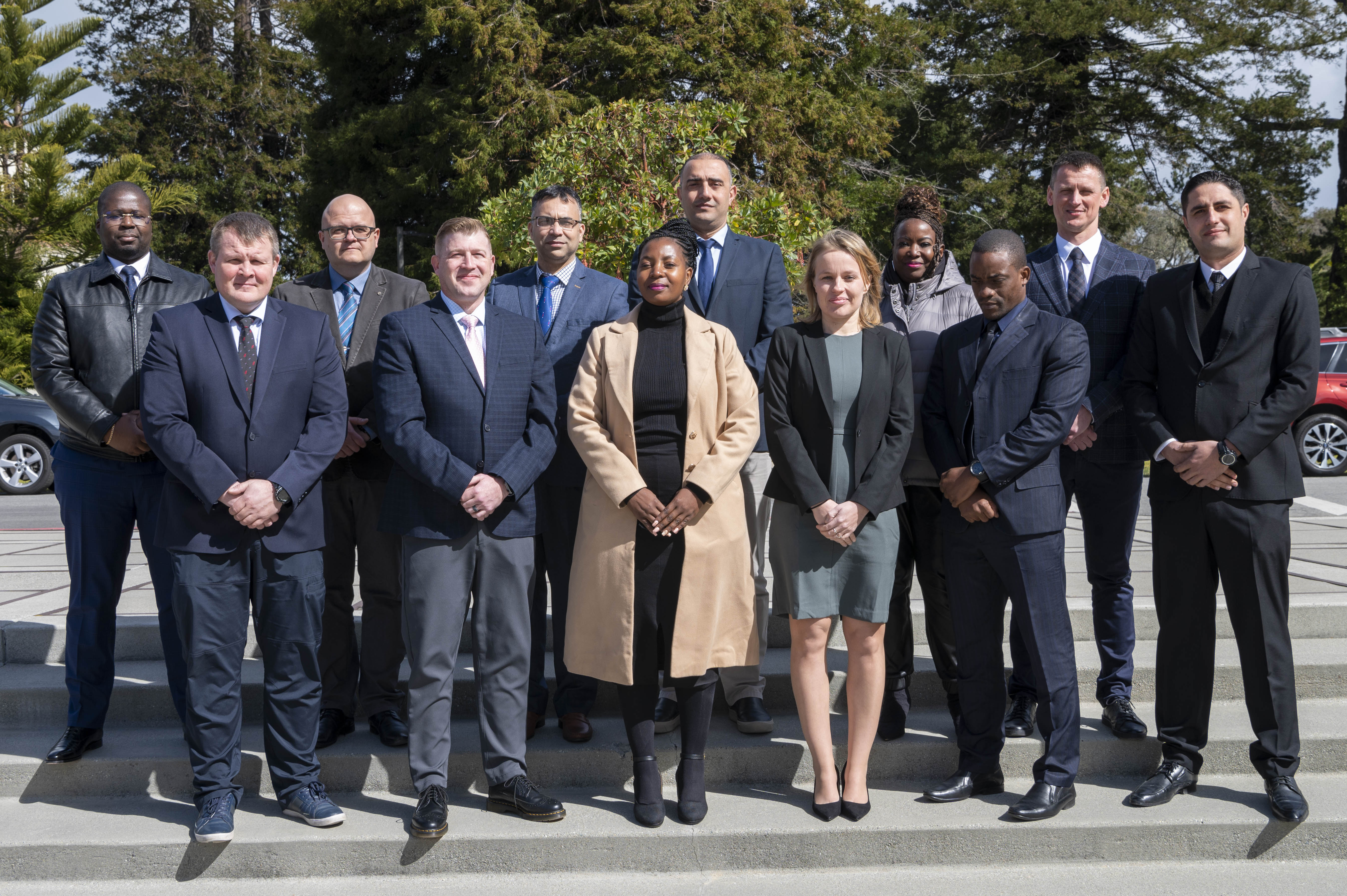
The DRMI welcomed 13 participants from seven allied and partner nations (Angola, Jamaica, Jordan, Latvia, Pakistan, Poland, and South Africa) and the United States to the two-week resident Performance Management and Budgeting Course on 21 February 2023. Additionally, seven participants from the United States took the course virtually via distance learning.
Data Analytics for Financial and Resources Management Course (23-2)
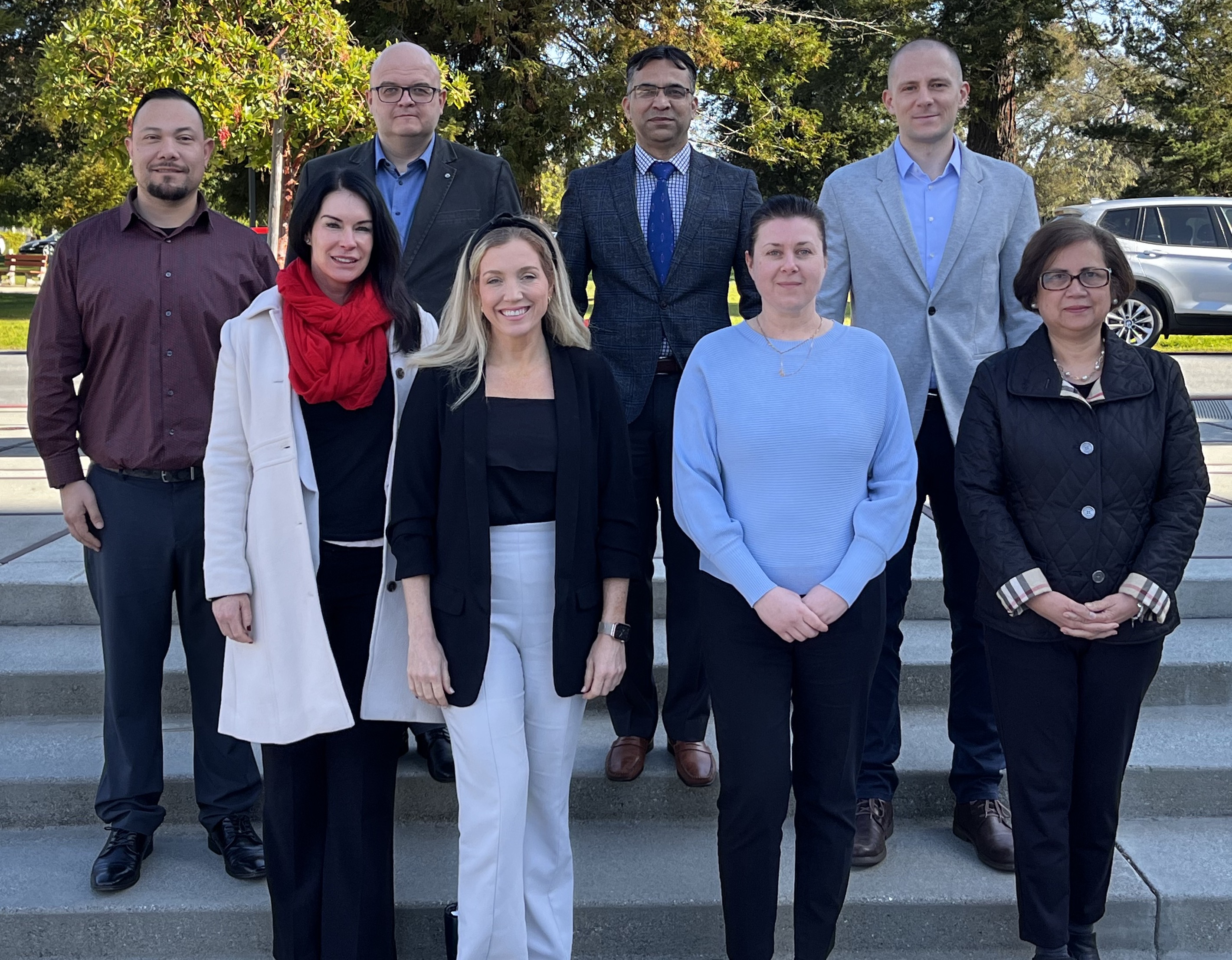
The DRMI welcomed eight participants from three allied and partner nations (Latvia, Pakistan, and Serbia) and the United States to the two-week resident Data Analytics for Financial and Resources Management Course (23-2) on 6 February 2023. Additionally, eight participants from the United States took the course virtually via distance learning.
International Defense Management Course (23-2)
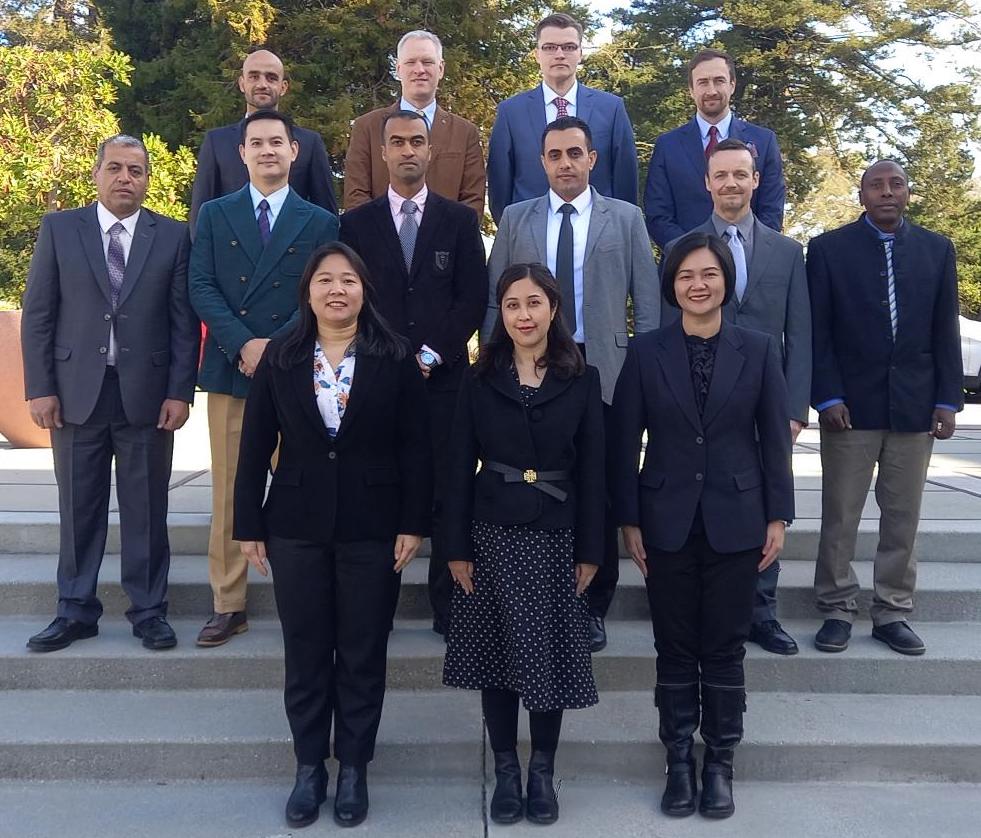
The DRMI welcomed 13 participants from eight allied and partner nations (Djibouti, Estonia, Germany, Jordan, Latvia, Lithuania, Morocco, and Thailand) to the resident 10-week International Defense Management Course on 6 February 2023.
Human Capital Resources Management Course (23-1)
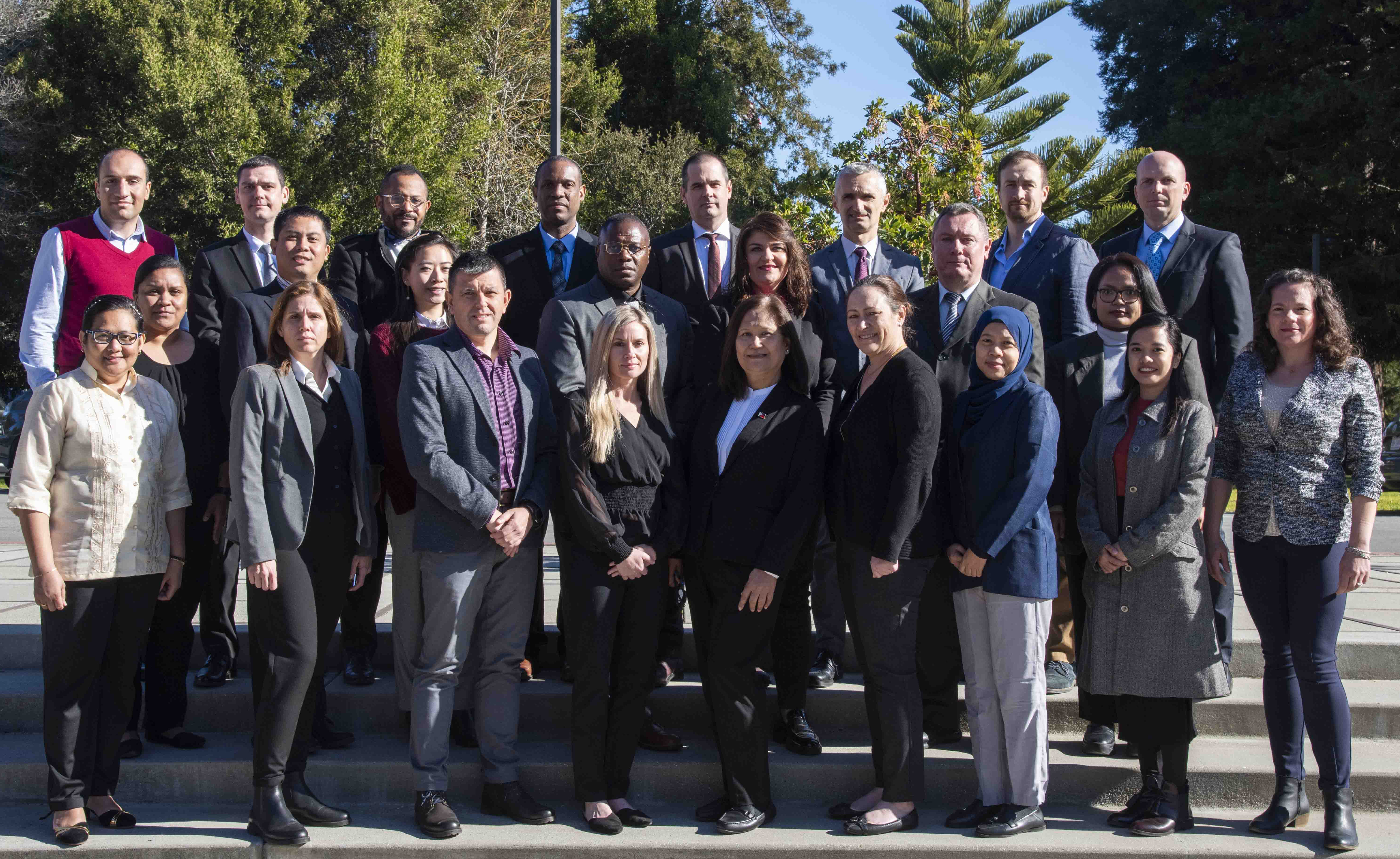
The DRMI welcomed 24 participants from 11 partner nations (Armenia, Estonia, Gabon, Indonesia, Italy, Latvia, Lithuania, North Macedonia, Philippines, Serbia, and Slovenia) and the United States to the resident two-week Human Capital Resources Management Course on 23 January 2023. Additionally, four participants from the United States are taking the course virtually via distance learning.
Data Analytics for Financial and Resources Management Course (23-1)
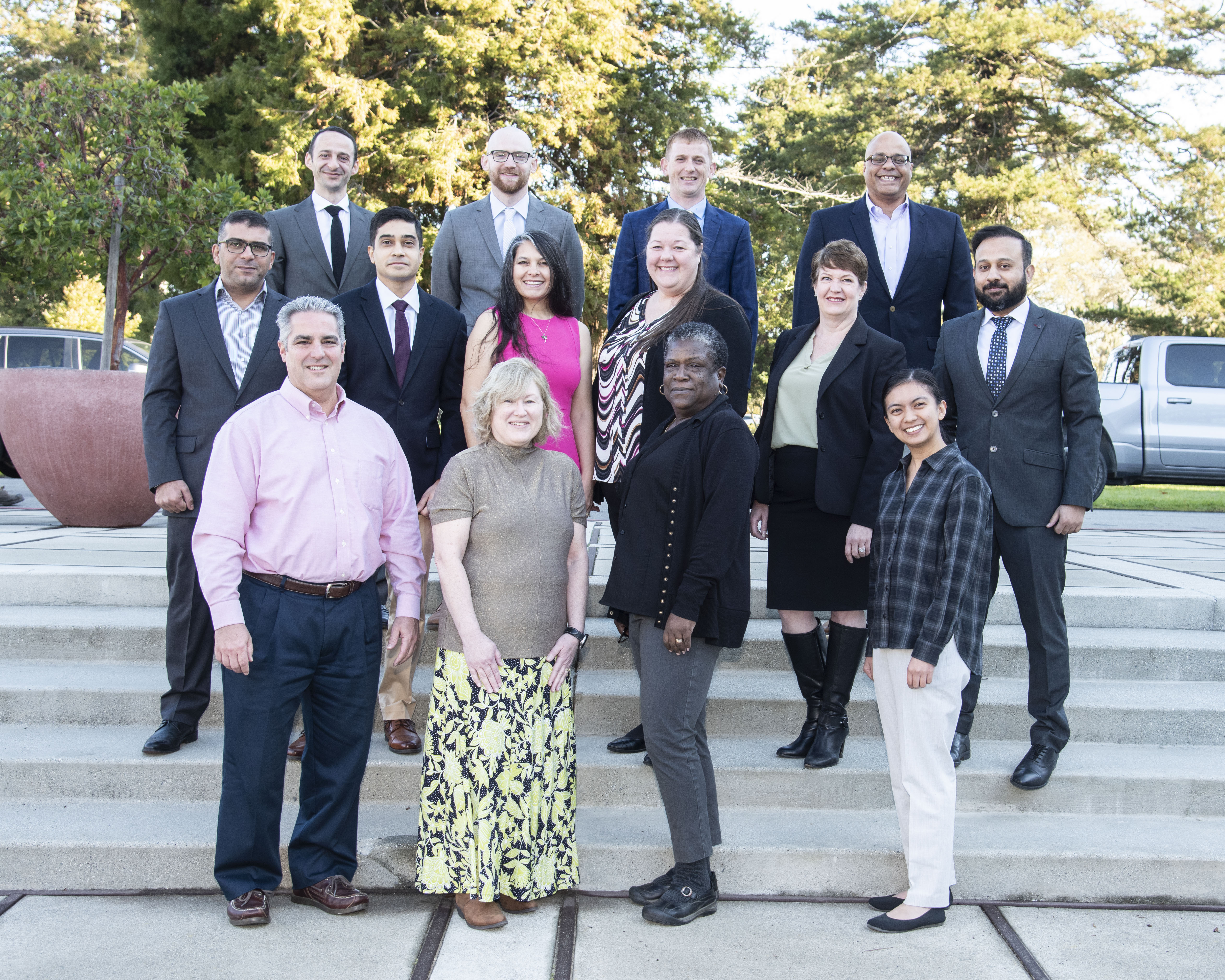
The DRMI welcomed 14 participants from two partner nations (Jordan and Pakistan) and the United States to the resident two-week Data Analytics for Financial and Resources Management Course on 4 December. Additionally, 14 participants from the United States took the course virtually via distance learning.
Risk Management Course (23-1)

The DRMI welcomed 19 participants from seven allied and partner nations (Belize, Estonia, Germany, Israel, Jordan, Oman, and Slovenia) and the United States to the resident two-week Risk Management Course on 6 November. In addition, 13 participants from the United States took the course virtually via distance learning. The course graduated on 18 November.
Multiple Criteria Decision Making Course (MCDM 23-1)
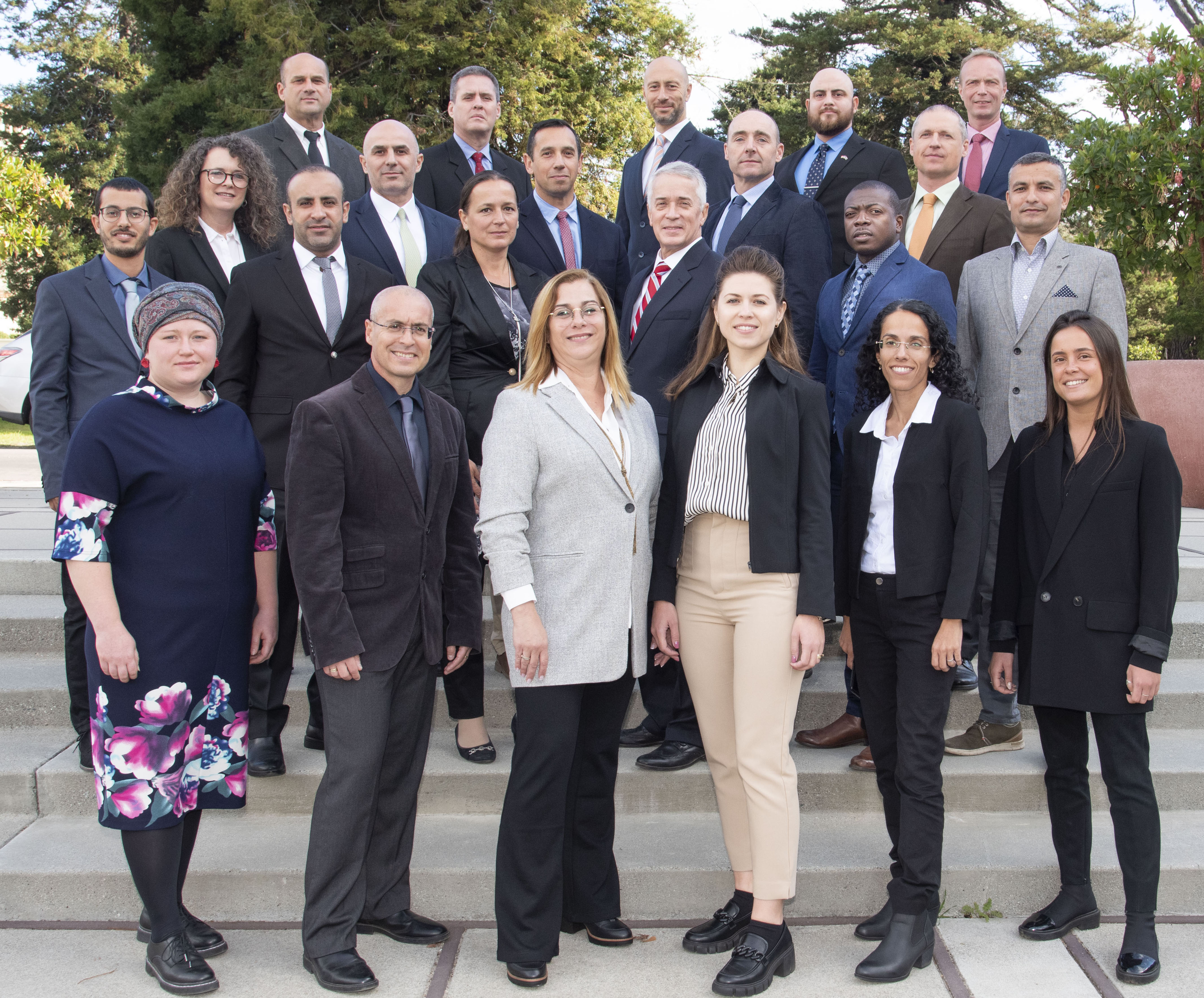
The DRMI welcomed 22 participants from 11 allied and partner nations (Azerbaijan, Belize, Estonia, Gabon, Israel, Italy, Jordan, Latvia, Paraguay, Slovenia, and Uruguay) and the United States to the two-week resident Multiple Criteria Decision Making Course on 24 October 2022.
International Defense Management Course (IDMC 23-1)
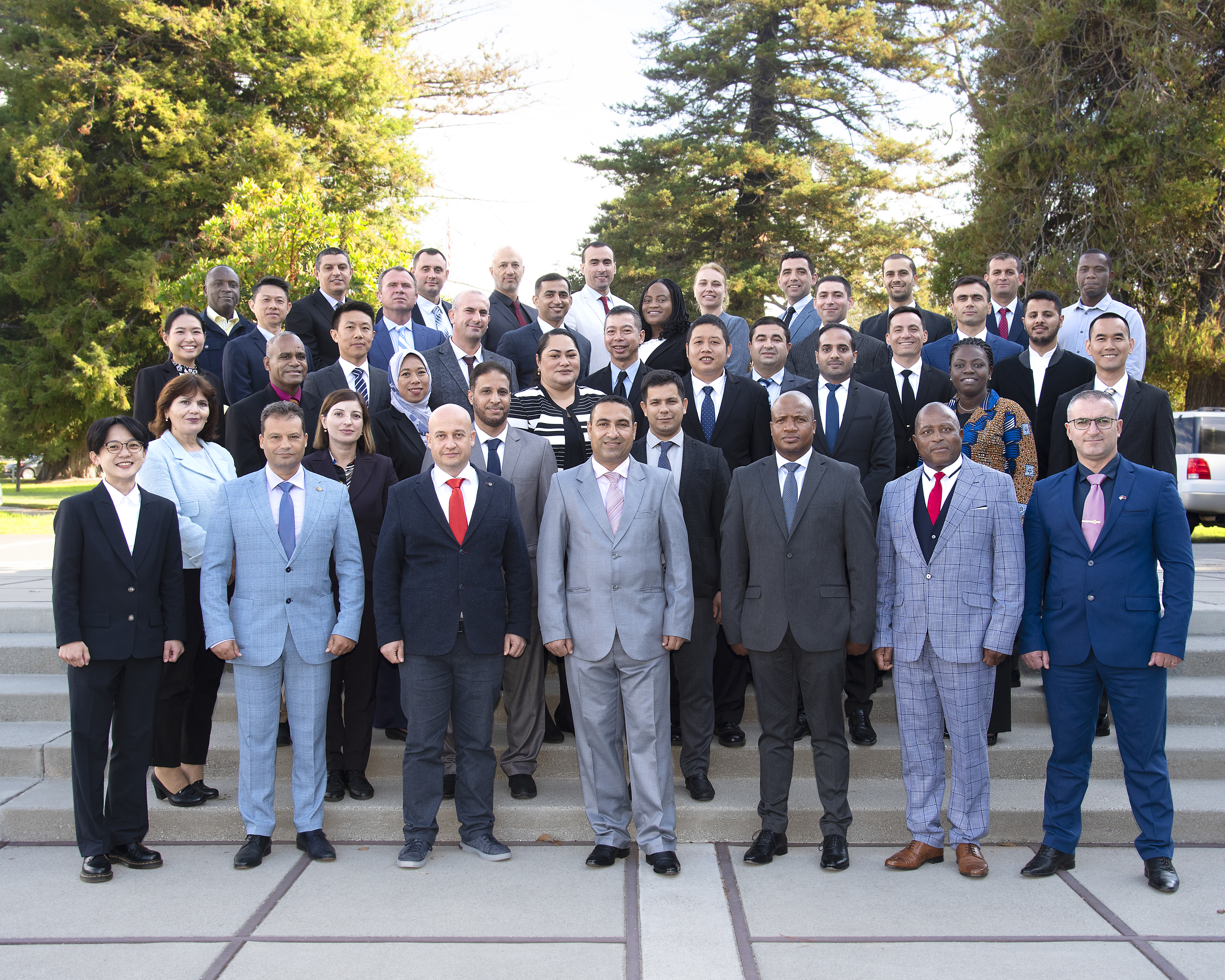
The DRMI welcomed 42 participants from 24 allied and partner nations (Albania, Azerbaijan, Belize, Bulgaria, Eswatini, Fiji, Ghana, India, Jordan, Korea, Latvia, Lebanon, Lesotho, Malaysia, Morocco, Namibia, Niger, Papua New Guinea, Saudi Arabia, Taiwan, Thailand, Tonga, Turkmenistan, and Uruguay) to the ten-week resident International Defense Management Course on 11 October 2022.
Defense Resources Management Course (DRMC 22-4)
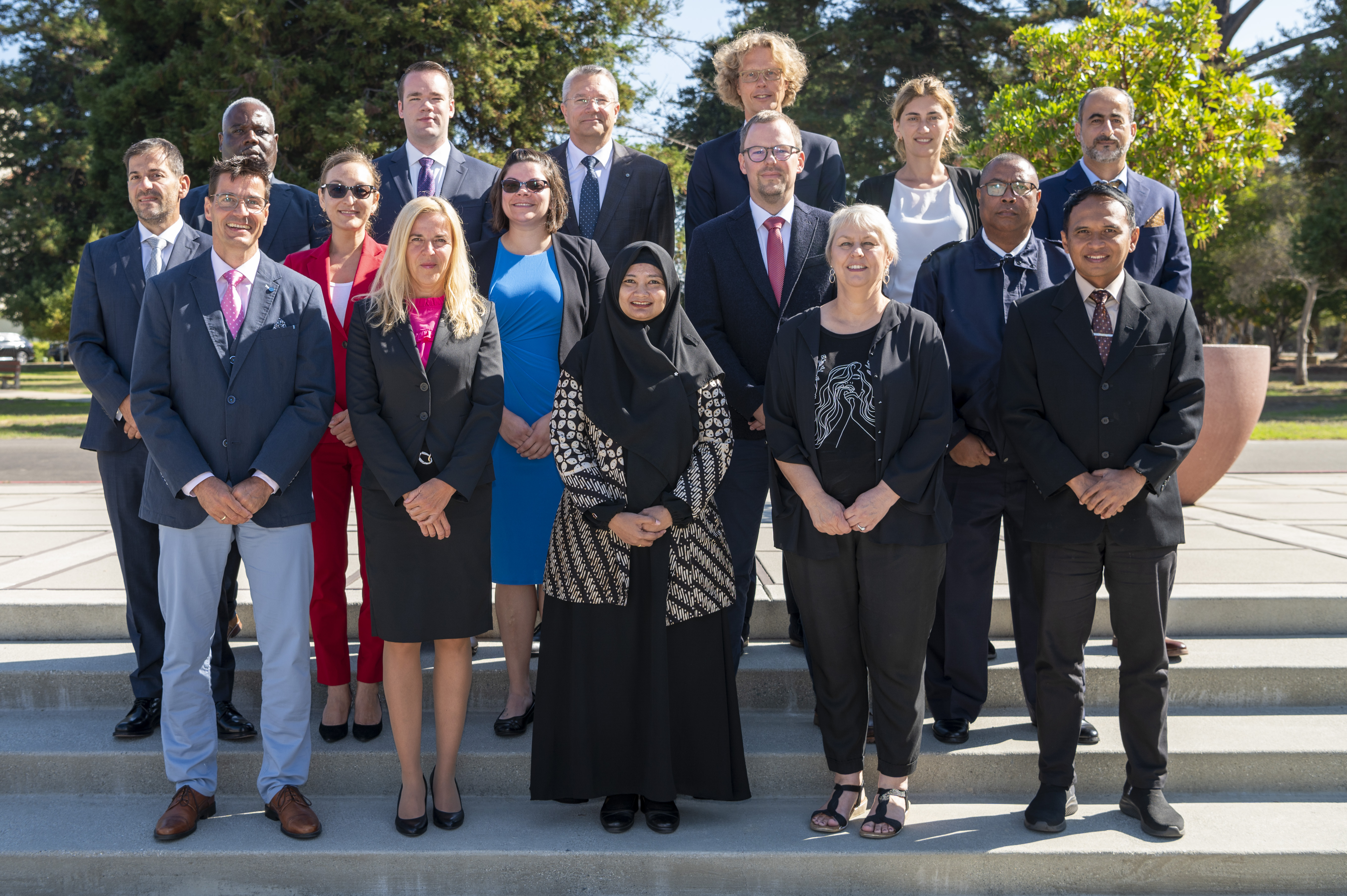
The DRMI welcomed 17 participants from nine allied and partner nations (Georgia, Germany, Indonesia, Italy, Latvia, Madagascar, Oman, Slovenia, and South Africa) and the United States to the fourth convening in 2022 of the resident Defense Resources Management Course on 29 August 2022. In addition, nine participants from the U.S. took the course virtually via distance learning. The four-week course graduated on 23 September 2022.
53rd Annual Senior International Defense Management Course (SIDMC 22)
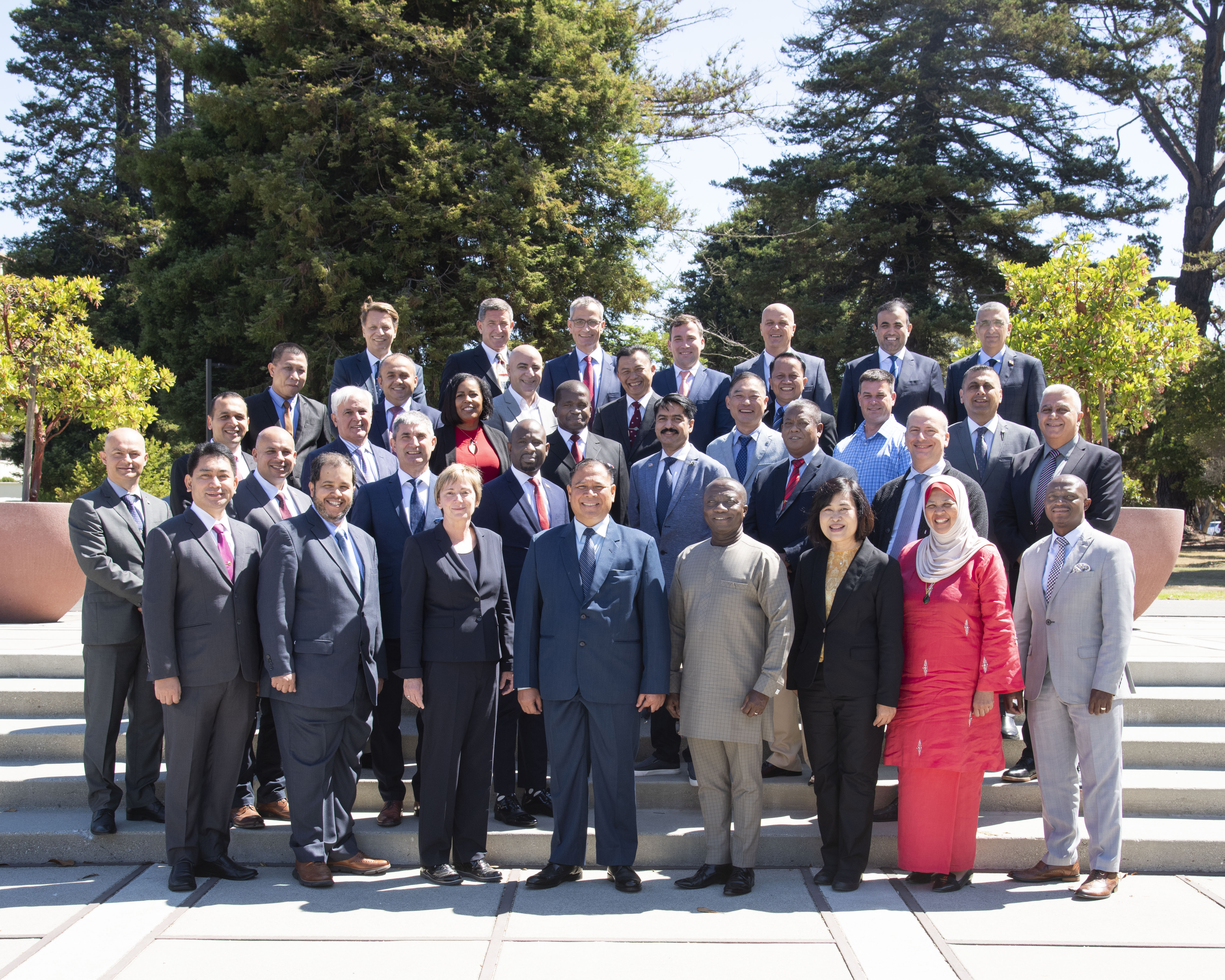
The DRMI welcomed 35 flag and general rank military officers and senior defense officials from 20 allied and partner nations (Bosnia and Herzegovina, Canada, Egypt, Eswatini, Germany, Ghana, Italy, Jordan, Korea, Lebanon, Malaysia, Moldova, Pakistan, Philippines, Poland, Saudi Arabia, South Africa, Spain, Switzerland, and Thailand) and the United States to the 53rd annual Senior International Defense Management Course on 31 July. This four-week resident course graduated on 26 August.
Defense Resources Management Course (DRMC 22-3)
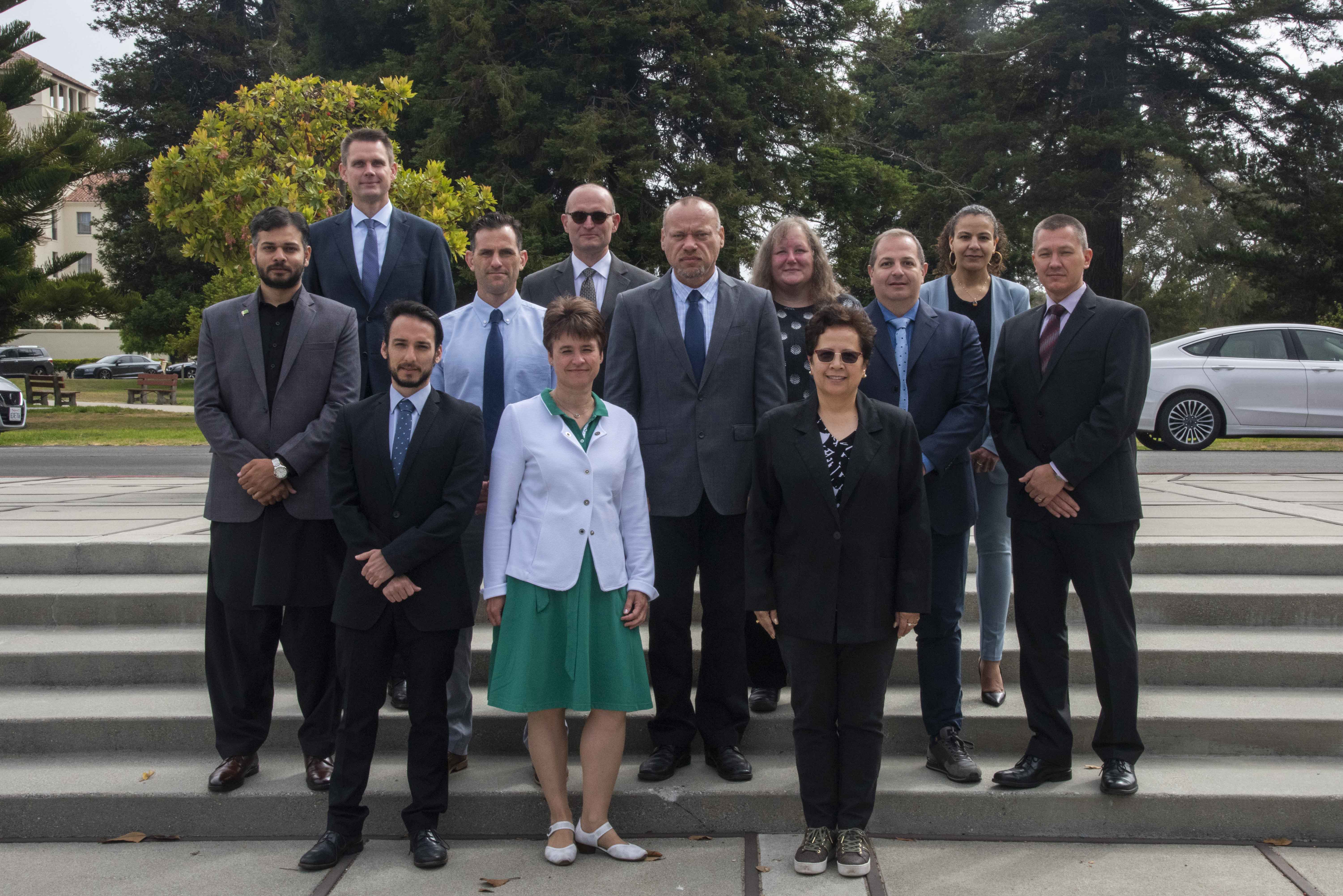
The DRMI welcomed 12 participants from five allied and partner nations (Chile, Czech Republic, Germany, Italy, and Pakistan) and the United States to the third convening in 2022 of the resident Defense Resources Management Course on 12 June 2022. This four-week course graduated on 8 July 2022.
Defense Resources Management Course (DRMC 22-2)
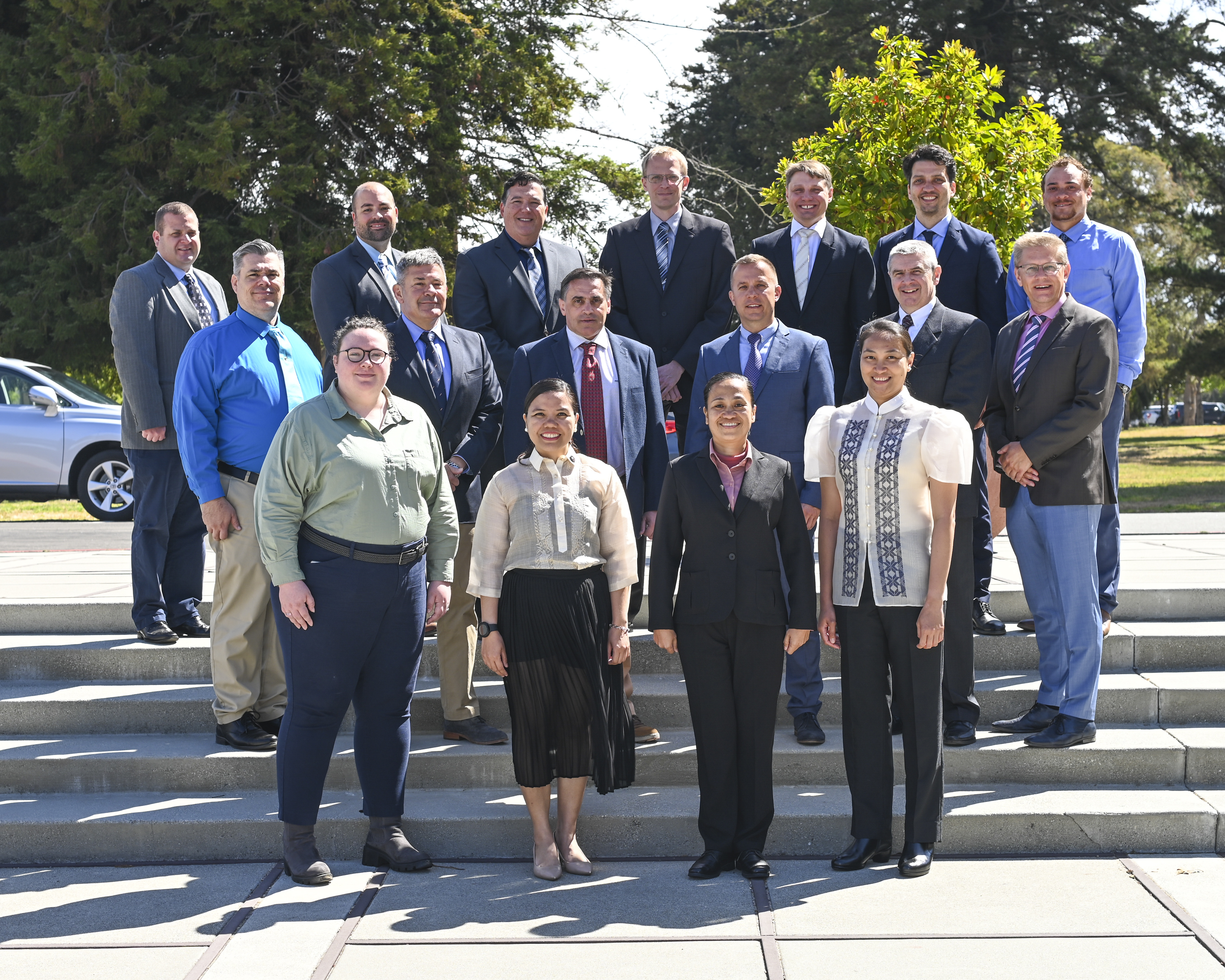
The DRMI welcomed 20 participants from five allied and partner nations (Estonia, Germany, Philippines, Poland, and Spain) and the United States to the second convening in 2022 of the resident Defense Resources Management Course on 15 May 2022. This four-week course graduated on 10 June 2022.
Defense Resources Management Course (DRMC 22-1)
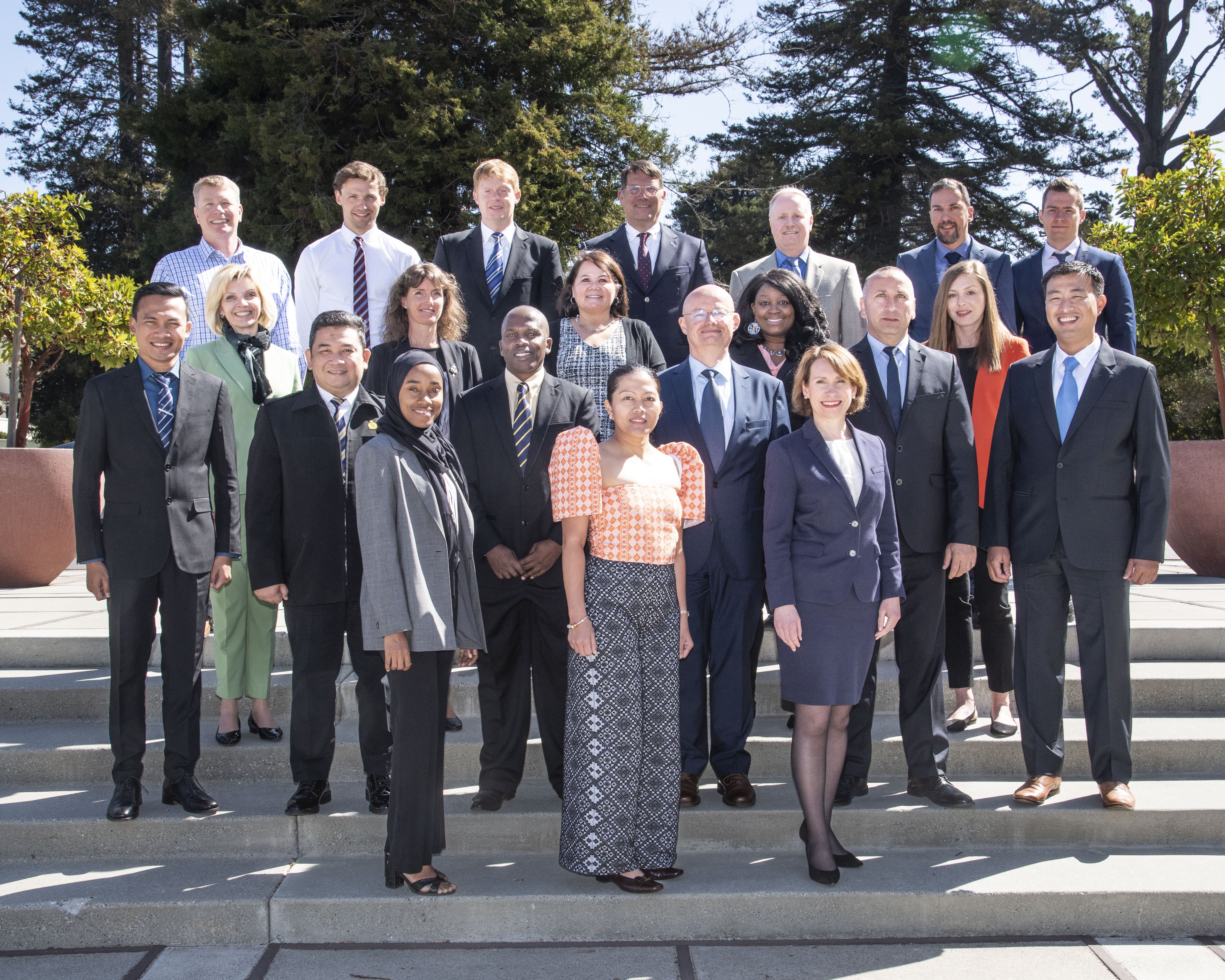
The DRMI welcomed 21 participants from 11 allied and partner nations (Comoros, Croatia, Georgia, Germany, Hungary, Indonesia, Latvia, Lithuania, Philippines, Slovenia, and Zambia) and the United States to the first convening in 2022 of the resident Defense Resources Management Course on 18 April 2022. In addition, two participants from the U.S. are taking the course virtually via distance learning. This four-week course graduated on 13 May 2022.
International Defense Management Course (IDMC 22-2)
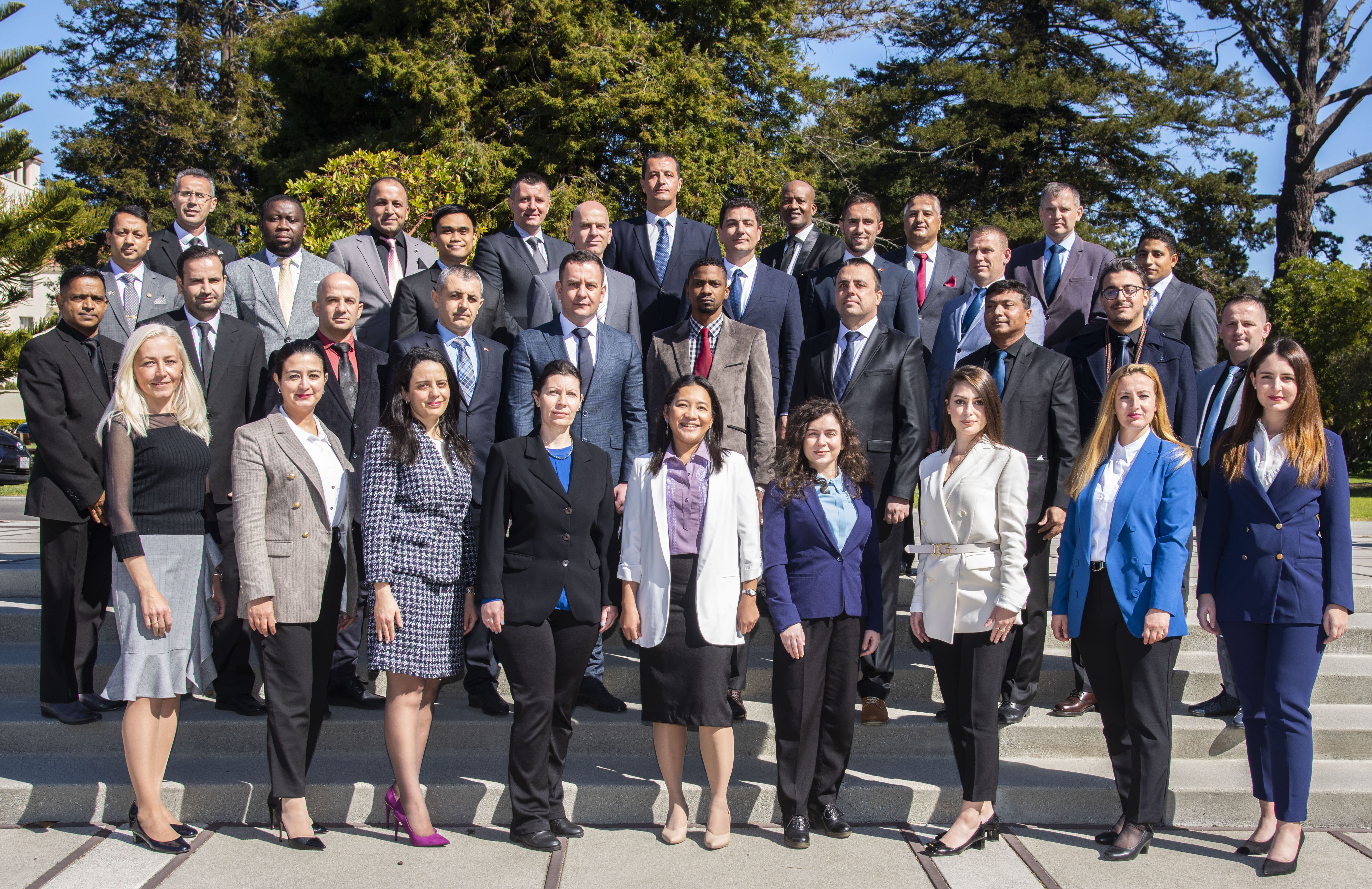
The DRMI welcomed 34 participants from 18 allied and partner nations (Albania, Algeria, Armenia, Bangladesh, Bulgaria, Comoros, Egypt, Equatorial Guinea, Gabon, Jordan, Kosovo, Latvia, Lebanon, Lithuania, Morocco, Philippines, Slovak Republic, and South Africa) to the resident International Defense Management Course (IDMC 22-2) on 6 February 2022. This ten-week course graduated on 14 April 2022.
Data Analytics for Financial and Resources Management Course
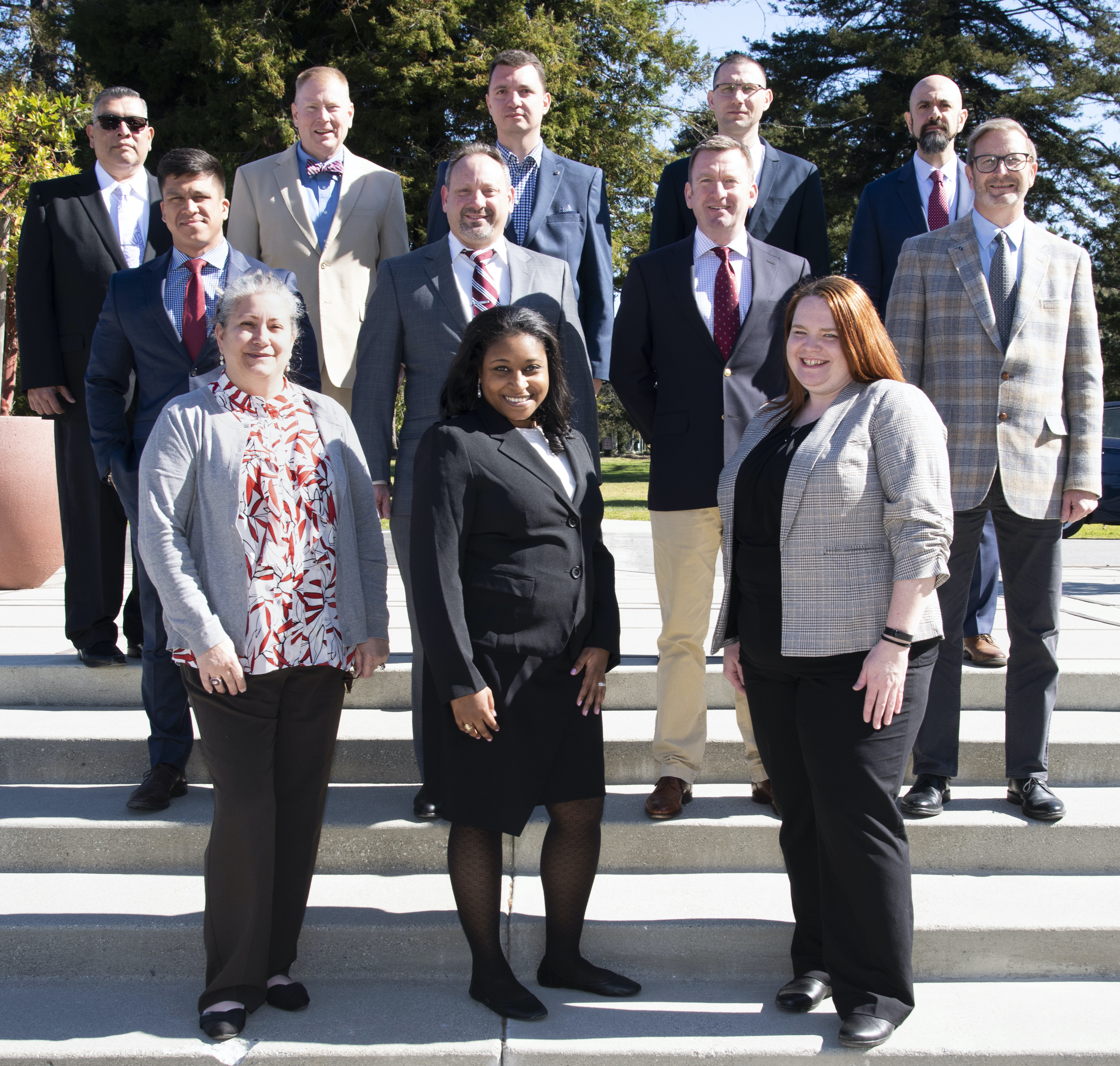
The DRMI welcomed 13 participants from three allied and partner nations (Poland, Serbia, and the United Kingdom) and the United States to the resident Data Analytics for Financial and Resources Management Course on 6 March 2022. Additionally, ten participants from the United States took this course virtually via distance learning. This two-week course graduated on 18 March 2022.