
Issue 17, July 2012
CRUSER Mission Thread Design and Progress
by Lyla Englehorn, CRUSER Technical Writer
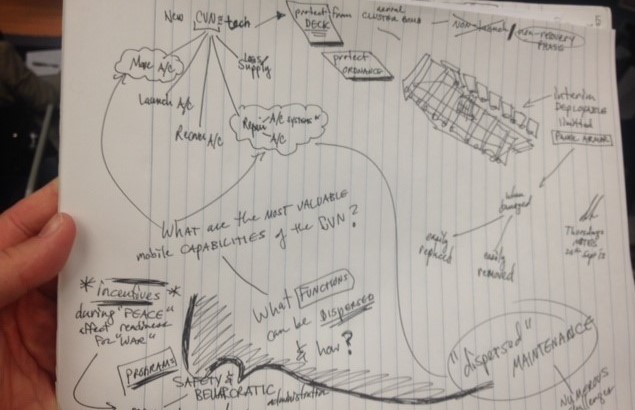
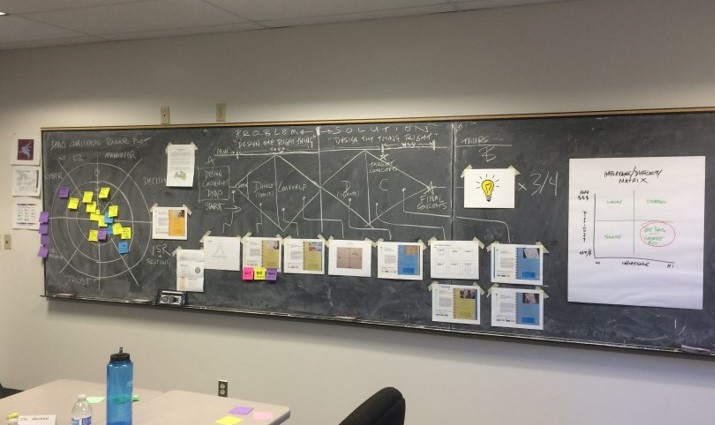
To meet our goal of "..from concept generation to experimentation", CRUSER creates 24 month mission threads to align and focus our activities. Major aligned events starting in FY11 through FY13 include mission threads (see graphic on page 4) starting with concept generation workshops, developed in technical symposia, and demonstrated in field experimentation to test selected technologies. Using the mission thread concept CRUSER leadership designed an overarching program direction to guarantee tangible results for the second tenet of the program vision – from concept generation to experimentation.
Issue 17 Highlights
- Lorem ipsum dolor sit amet, consectetur adipiscing elit.
- Lorem ipsum dolor sit amet, consectetur adipiscing elit. Lorem ipsum dolor sit amet.
- Lorem ipsum dolor sit amet, consectetur.
- Lorem ipsum dolor sit amet, consectetur adipiscing elit.
Director's Corner
Dr Timothy H Chung
CRUSER Director, Education and Research
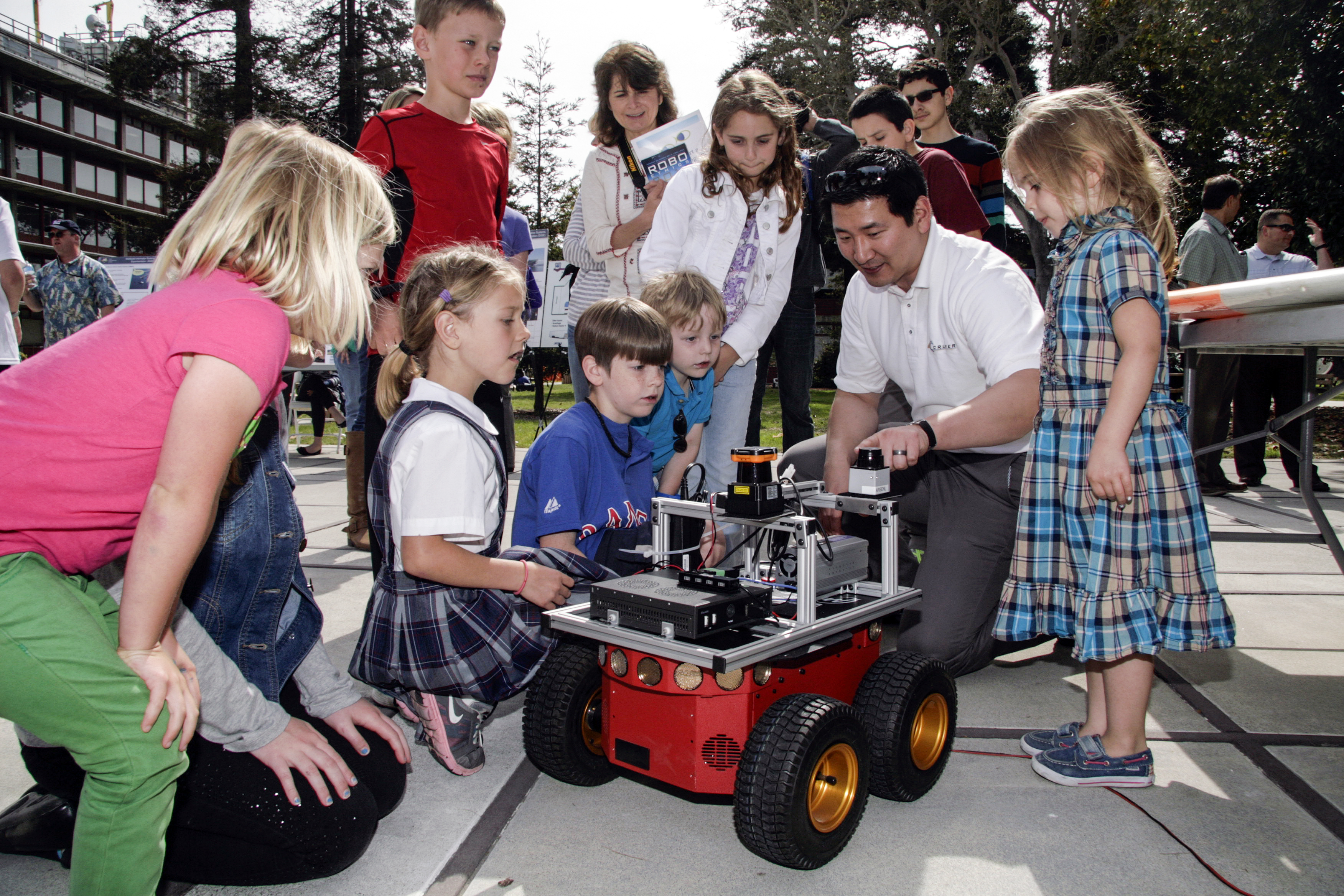
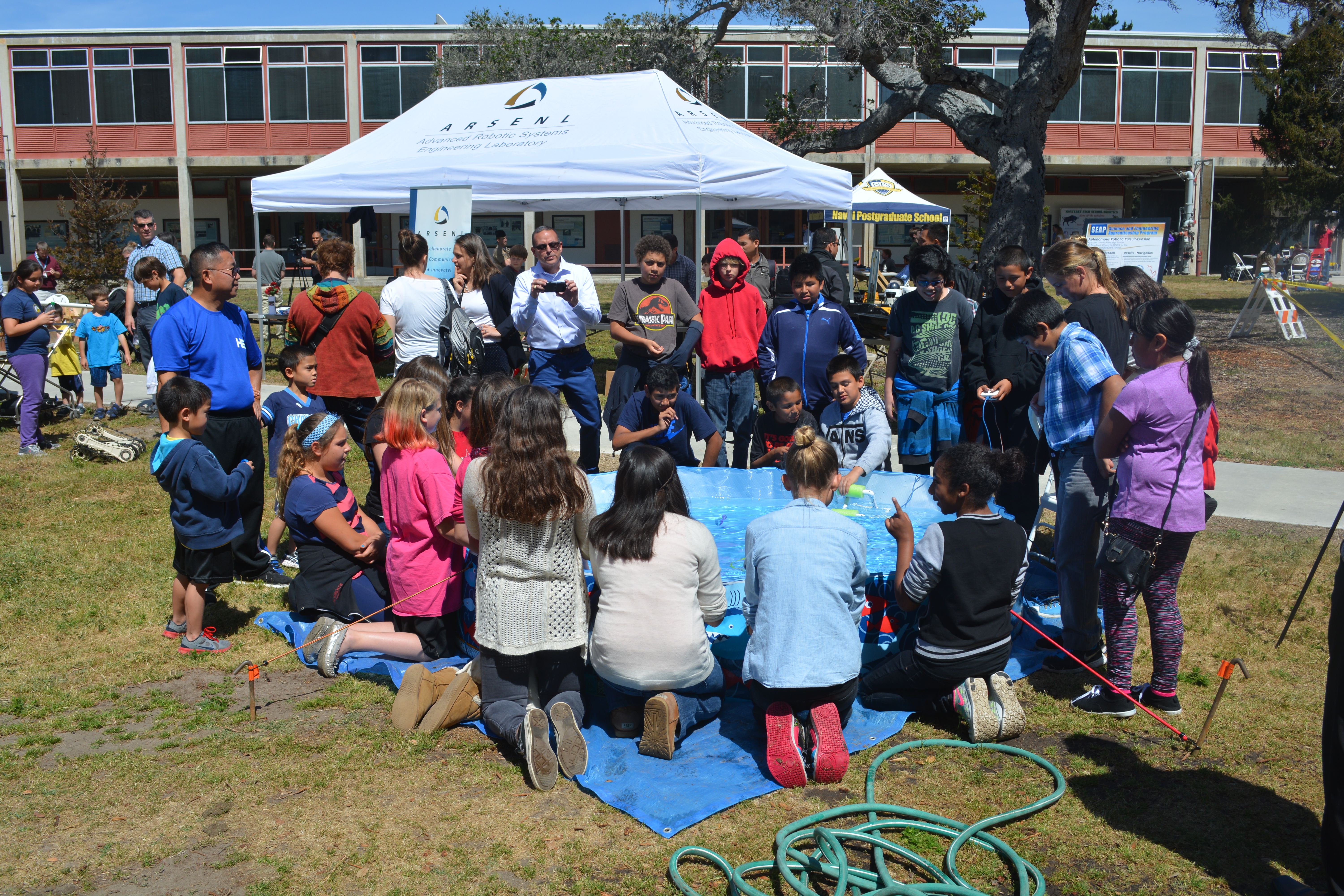
Robotics continues to inspire future generations of innovators, and this month highlights one of many robotics competitions that help foster these future engineers, scientists, entrepreneurs, policy and decision makers, and even hobbyists. Events such as MATE, RoboSub, RoboBoat, not to mention other challenges such as those from DARPA, provide opportunities for collaborative learning and discovery, both at the intra-team and inter-team levels. A key challenge is to capture these bright minds and their innovations and facilitate their transition into operational capabilities that can benefit society and Services alike. As CRUSER aims to help foster such opportunities, we encourage all members of our Community of Interest to take note, inspire others, and support such mechanisms for combining collaboration with friendly competition.
Student Corner
Students: LT Dylan B. Ross, USN and LT Jimmy A. Harmon, USN
New Navy Fighting Machine in the South China Sea
Abstract: This research examined naval surface forces of the People's Republic of China (PRC) and the United States (U.S.) through the perspective of Captain Wayne P. Hughes', Jr., USN (ret.) missile salvo equation in order to demonstrate how American surface combatants can defeat PRC anti-access area denial (A2AD) measures in the South China Sea (SCS). Hughes' equation reveals that advantages for American surface forces are obtained by increasing fleet numbers, counter-targeting (CT), and increased scouting. This thesis advocates fleet growth as articulated in Hughes' New Navy Fighting Machine (NNFM) study. Comparisons of the NNFM, the U.S. fleet, and the PRC fleet demonstrate both the disparity facing the American surface forces, and the near parity obtained in the NNFM. CT through unmanned surface vehicles (USVs), and naval obscurants provide American surface forces increased staying power and tactical advantage. Scouting and communications networking through a theater wide constellation of airships provide the American fleet with persistent situational awareness of the battle space, tactical communications with subsurface forces, and improved emissions control (EMCON) measures for surface forces. The distributive properties of the NNFM, combined with this study's CT and scouting findings, offer American surface combatants success over the PRC Navy in the SCS scenario.
CRUSER News Contributions
Short articles of 300-400 words are needed for future CRUSER News.
Please contact Lisa Trawick at cruser@nps.edu for additional information.