
Welcome - Operations Research
The mission of the Operations Research Department is to provide premier graduate education in military operations research and to produce high-quality, objective, academically rigorous research and professional advice in support of military- and security-related operations.
Explore the Department
OR_Home_NEWS
News
Now available to resident students: Certificate in Operational Data Science and Statistical Machine Learning!
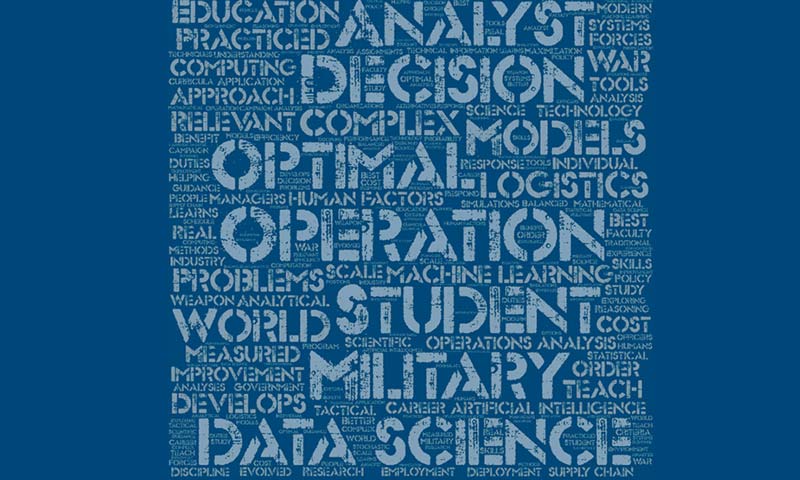
Our Department is one of the oldest, largest, and most highly respected OR departments in the U.S. It is without peer in terms of the extent to which graduate education is integrated with a commitment to solving real military problems. Our students and faculty use the latest mathematical modeling ideas and computing technology to penetrate deeply into the analysis of important real-world problems.
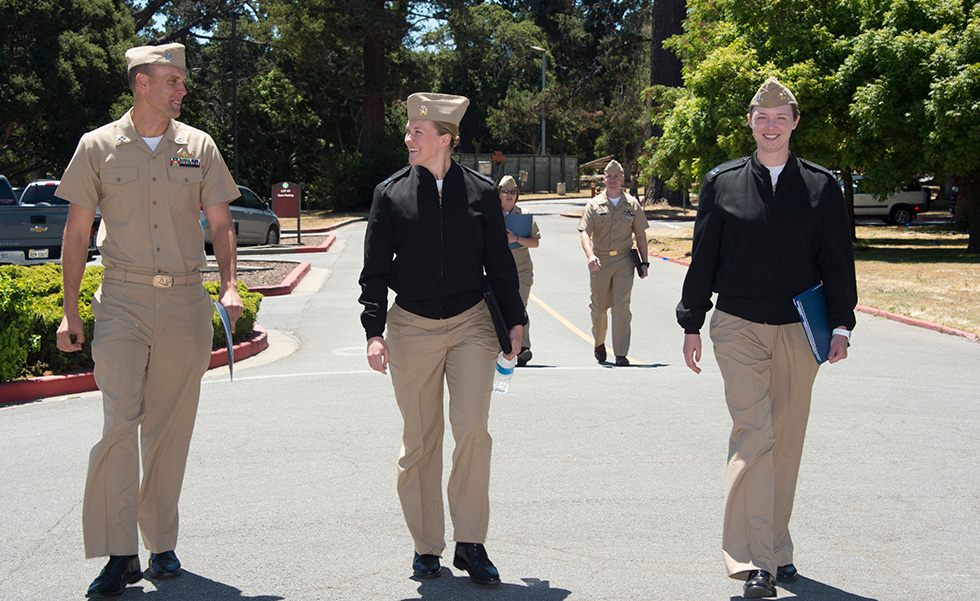
Operations Research is the science of going "from data to decision." We educate analysts so they can apply the latest tools in data analysis, computation, optimization, machine learning, modeling, and simulation, and so they are fully capable of conducting independent analytical studies of military problems and advising senior leaders.
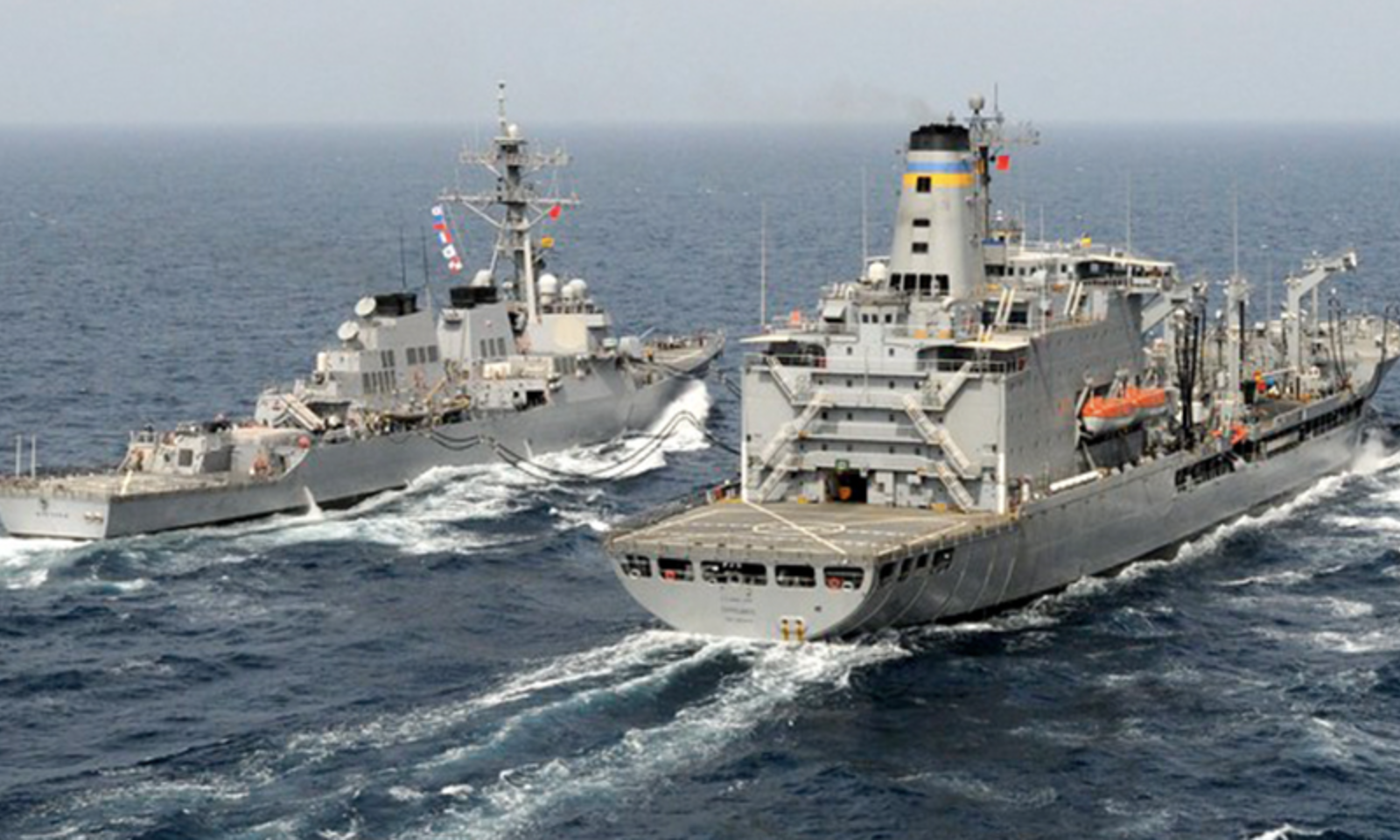
We solve real problems. Military problems. Operational problems. Hard, nasty problems. Not just in theory, but in practice. We develop and deploy decision support tools, and teach our students how to do the same.
A MESSAGE FROM THE CHAIR

The NPS OR Department is one of the largest OR departments in the United States. Tenured or tenure-track faculty members hold Ph.D. degrees in operations research or a related discipline (e.g., mathematics, statistics, computer science). Most of those without Ph.D. degrees are current or former military officers who have deep military operations and applied operations research experience.
Departmental News
Alumni Spotlight
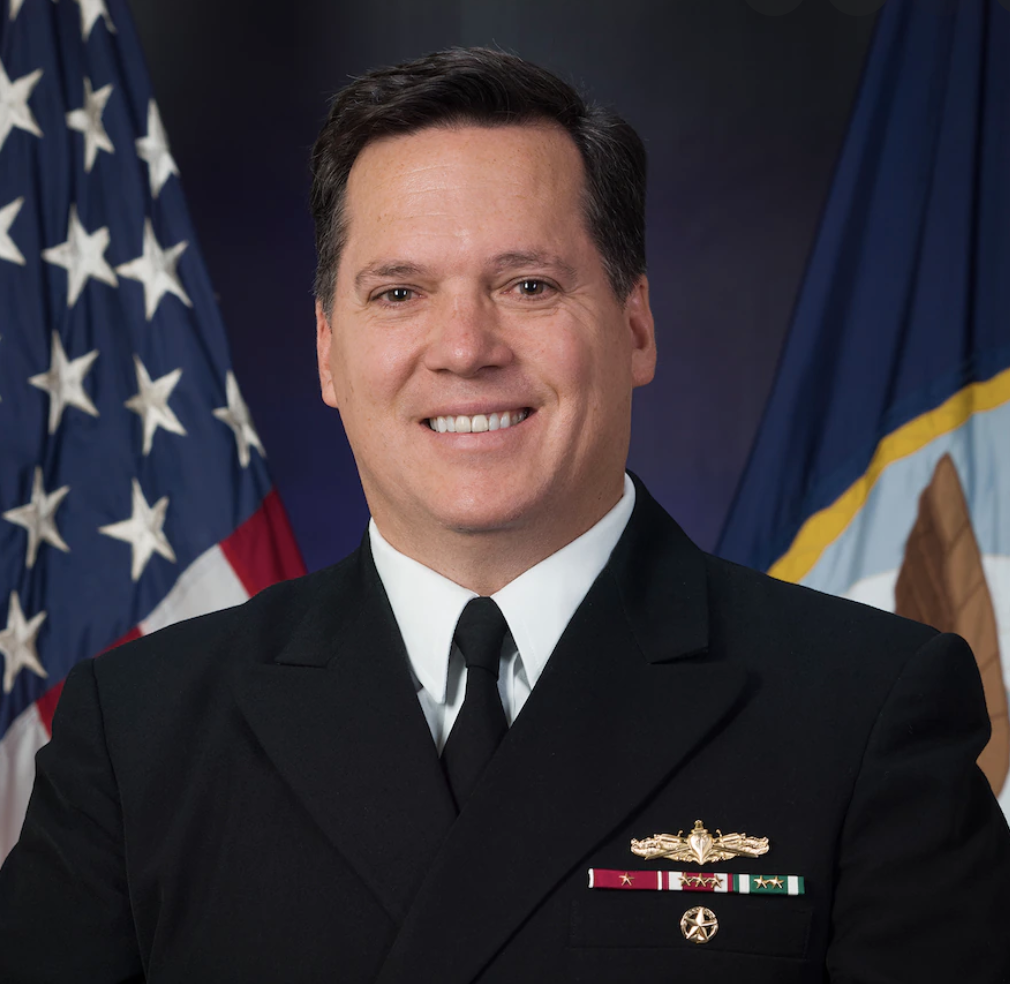
My OR degree from NPS has been amazingly useful in every Navy position I've held since, both at sea and ashore, and in acquisition. OR really turbo-charges your personal toolkit for real-life problem solving. And how to be a smart consumer of all the data that gets thrown at you. Invaluable!
Tom Druggan, Rear Admiral, U.S. Navy
Visit us on Social Media!
Web Content Display (Global)
Welcome to the official YouTube channel for the Naval Postgraduate School in Monterey, California. For more information about the university, its unique mission and academic programs, visit NPS on the web at http://www.nps.edu.
Naval Postgraduate School
Higher Education
1001-5000 employees
The Naval Postgraduate School (NPS) provided post-baccalaureate education to military officers and other members of the United States defense and national security community. The mission of NPS is to provide high-quality, relevant and unique advanced education and research programs that increase the combat effectiveness of the Naval Services, other Armed Forces of the U.S. and our partners, to enhance our national security.
View more on https://www.linkedin.com/school/nps-monterey/
Official Instagram page of NPS, a graduate research university offering advanced degrees to the U.S. Armed Forces, DOD civilians and int'l partners.
https://www.instagram.com/nps_monterey/