









About - Office of Research & Innovation
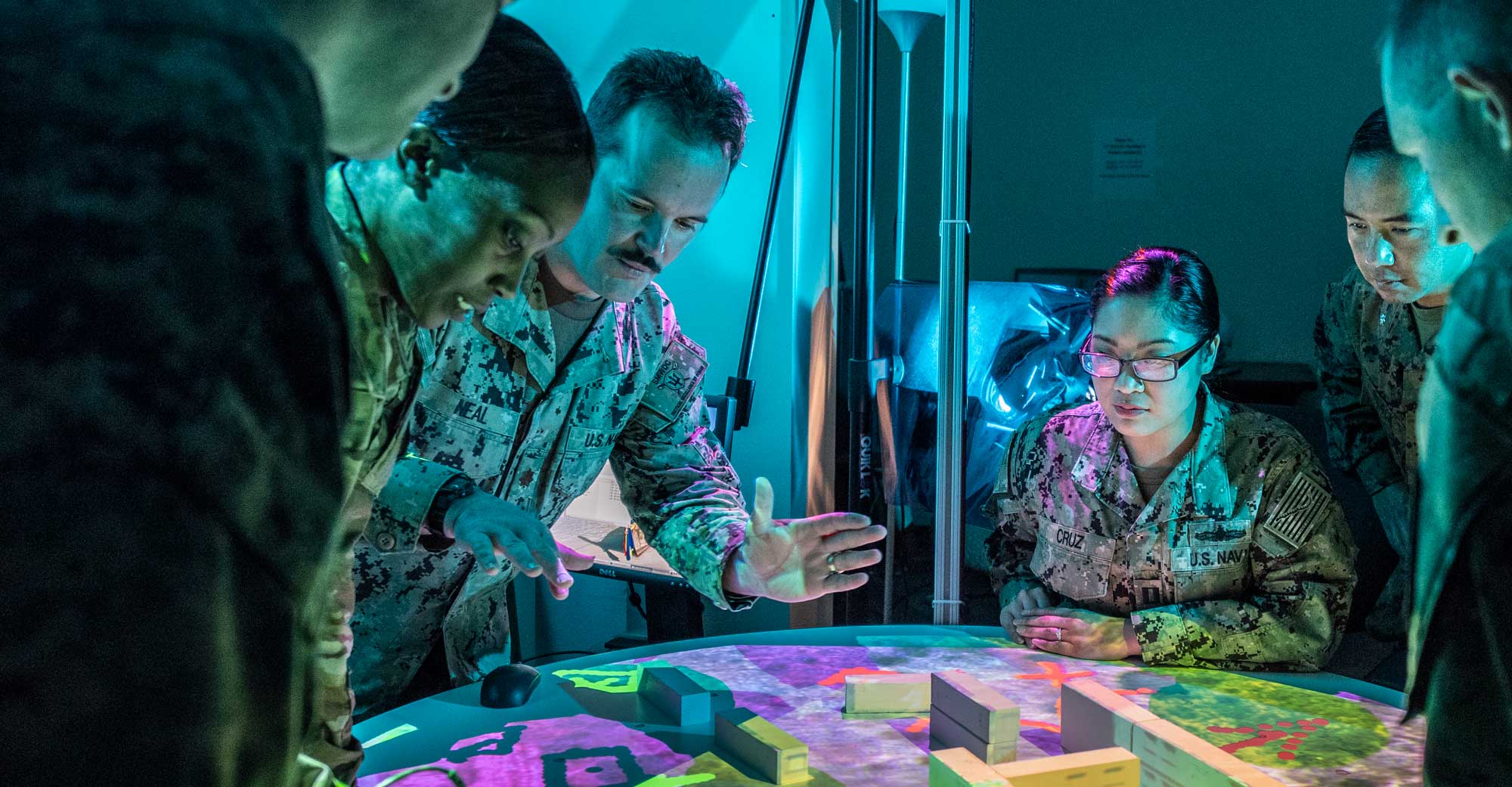
Our objective is to increase net warfighting advantage through impactful foundational and applied research that is fully informed and directly contributes to warfighting solutions. Our warrior-scholars bring operational experience into the research arena and create innovative, relevant solutions for real-world challenges faced by the Navy today and tomorrow. Learn about the NPS Research Enterprise and how we make an impact in DoD innovation to accelerate decisive advantage.


Asset Publisher
Announcements & Events
-
May 8, 2024
-
Jun 4, 2024
-
Jun 11, 2024
NPS Innovation Ecosystem
At NPS, our operationally experienced students inform the innovation process. Leveraging the intellectual, operational, and entrepreneurial talent at NPS, the institution becomes a technology accelerator, incubator, and testbed for applications, concepts, and capabilities. Our Innovation Ecosystem is made up of the qualities and resources that set NPS apart: Fleet Priorities, Partnerships, Innovation Education, Prototyping & Experimentation and Funding & Management. Learn more about the Naval Innovation Center at NPS.
Fleet Priorities

NPS’ defense-focused education is aligned with the Navy's strategic priorities and CNO-identified Key Operational Problems.
Partnerships

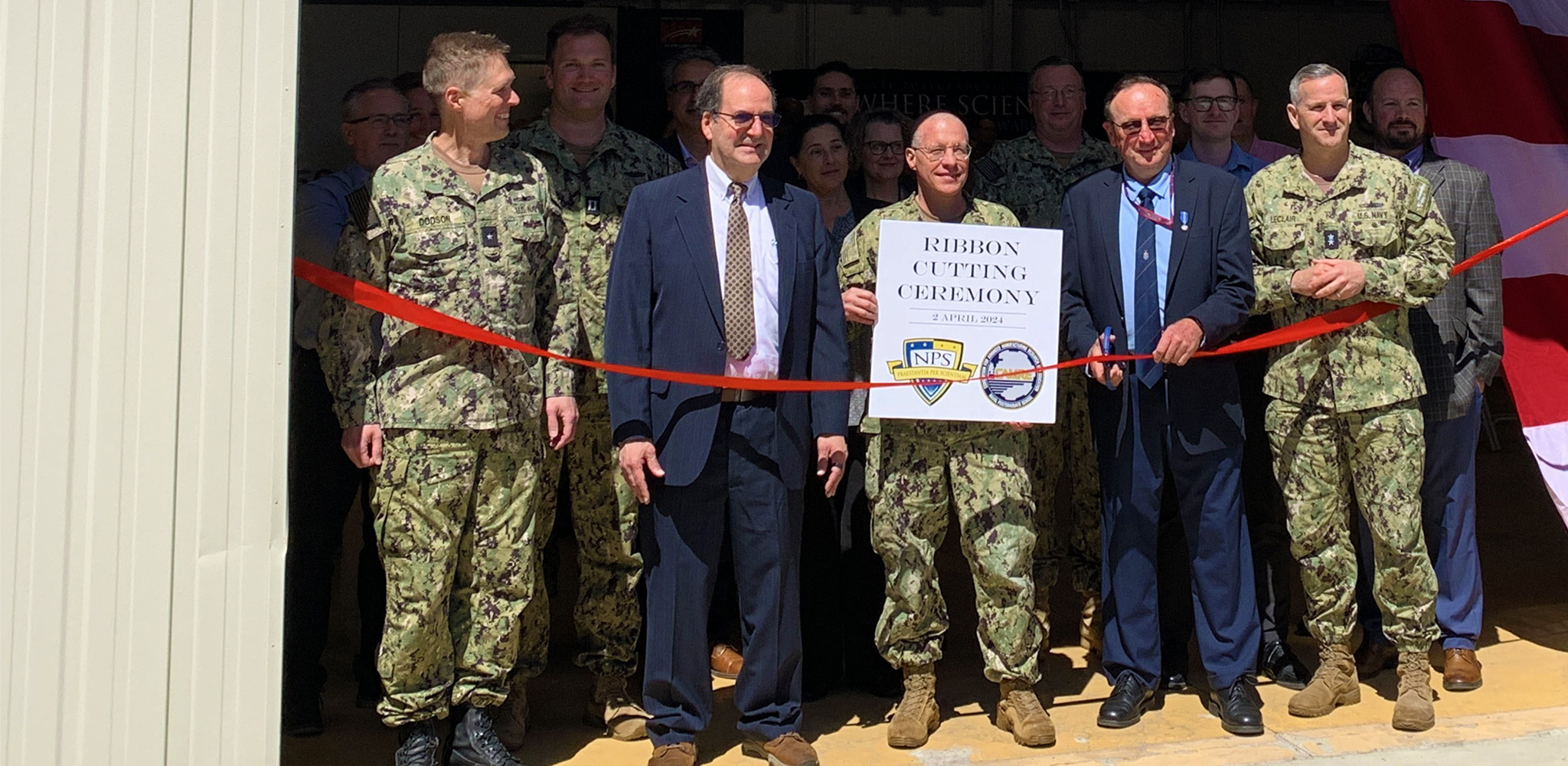
NPS is a naval innovation center of gravity connecting and integrating academia, industry, and DOD research enterprise at a purpose-driven campus. Partner with us.
Innovation Education

NPS is synonymous with innovation. Promising ideas are generated, analyzed, war-gamed, red-teamed, and matured through capstone projects in a classified environment.
Prototyping & Experimentation

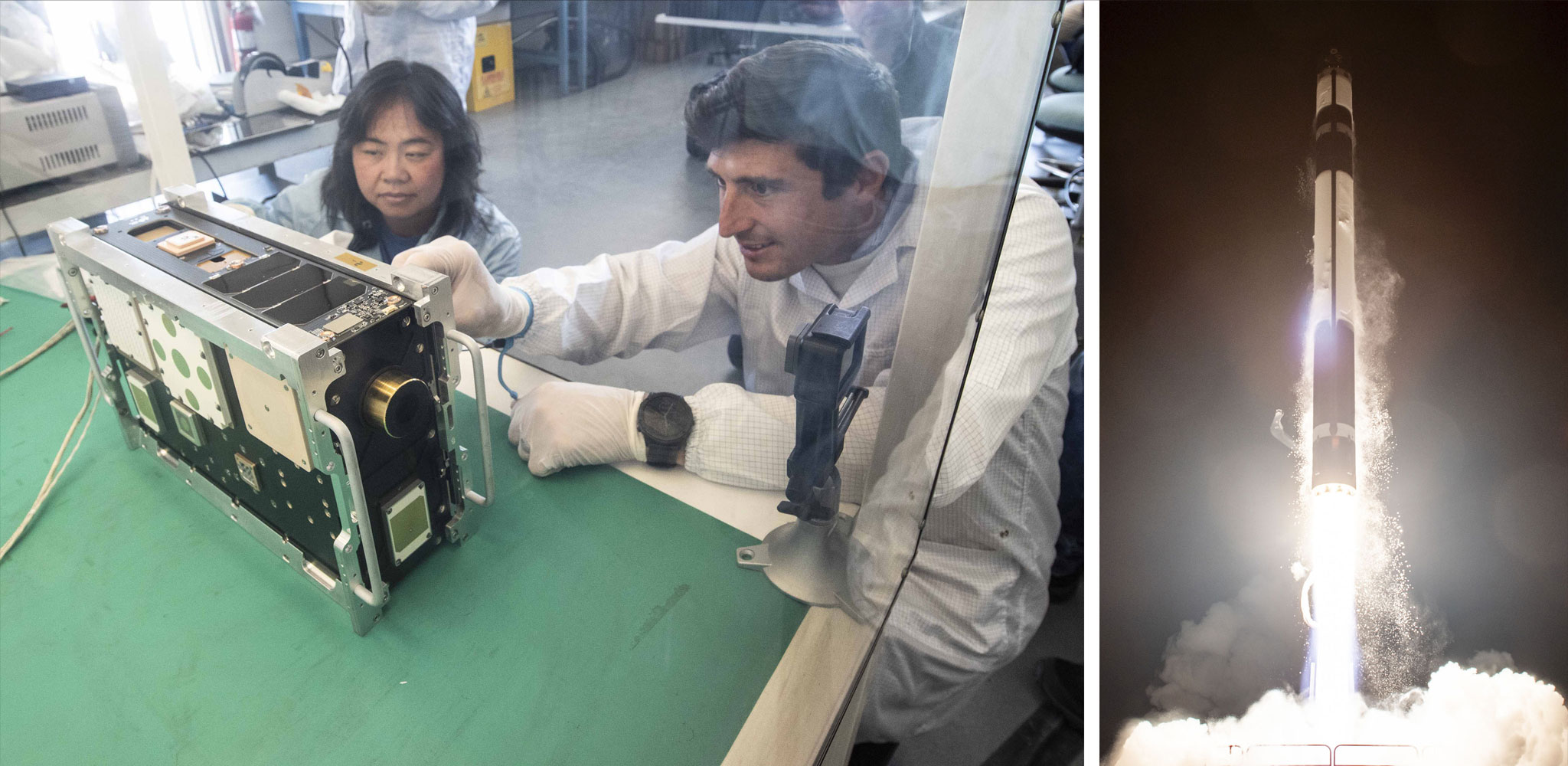
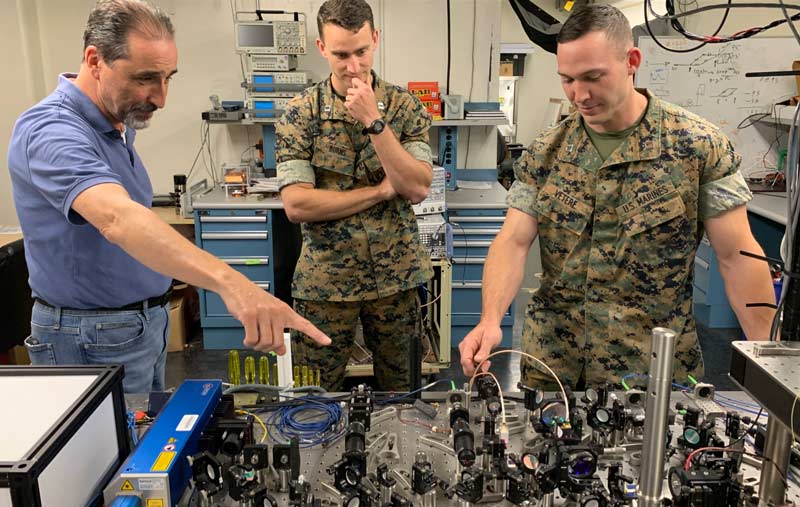
NPS is a convening place for experimentation, rapid prototyping, and collaboration with industry and Naval Research & Development Enterprise (NR&DE).
Funding & Management

We empower your research through funding and dedicated program management teams. Find out how OR&I can support your research project.
NPS Research Enterprise
Making an Impact
Together we're making an impact. Read our research news stories from across campus and the world. Learn how we are making a difference to military and global concerns.
Asset Publisher
By the Numbers
36
New Cooperative Research and Development Agreements (CRADAs) or Limited-Purpose CRADAs were executed
600
Professor-researchers with decades of academic and military expertise
1600
Mid-career resident students eager to conduct mission-focused research
5
New Patents in FY 2022