
Welcome to ECE - Electrical and Computer Engineering
The mission of the Electrical and Computer Engineering department is to provide relevant and unique advanced education and research programs to meet Naval unique needs, and increase the warfighting effectiveness of the U.S. Naval Forces, DoD and allied armed forces.
Our students include commissioned officers of the Naval Service, other U.S. and allied armed forces, civilian employees of the Defense Department and international defense establishments. Civilian employees of DoD contractors are also eligible to attend NPS in limited numbers.
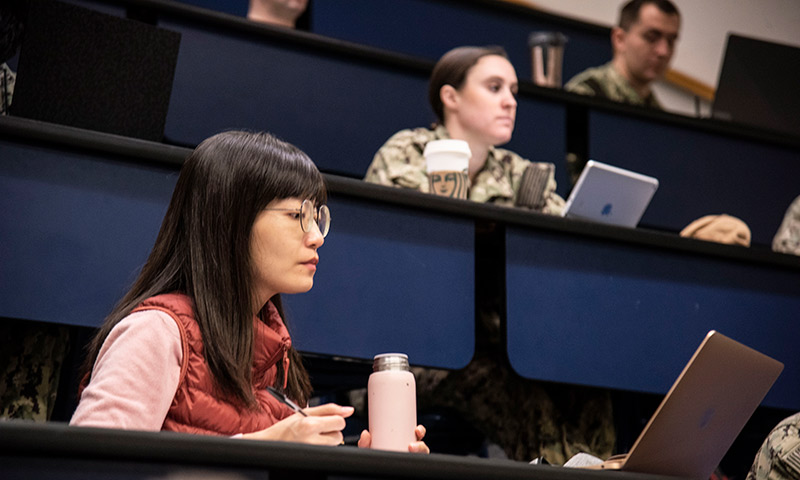
Programs provide students with the technical foundation necessary for the research, design, development, procurement, maintenance, and management of electronic systems. Students will gain hands-on experience on cutting-edge war fighting technologies that impact all facets of defense and will be prepared to face challenges in a rapidly changing technical world. Our MSEE Degree Program is accredited by the Engineering Accreditation Commission of ABET.
Masters Programs
Doctoral Programs
Distance Learning Progams
Certificate Programs
Engineer Programs

ECE faculty expertise spans a broad swath of leading-edge technology which impacts most facets of the Defense Department's warfighting capability, ranging from electronic warfare, cyber systems, and advanced information warfare systems, to microgrids and shipboard electric power.
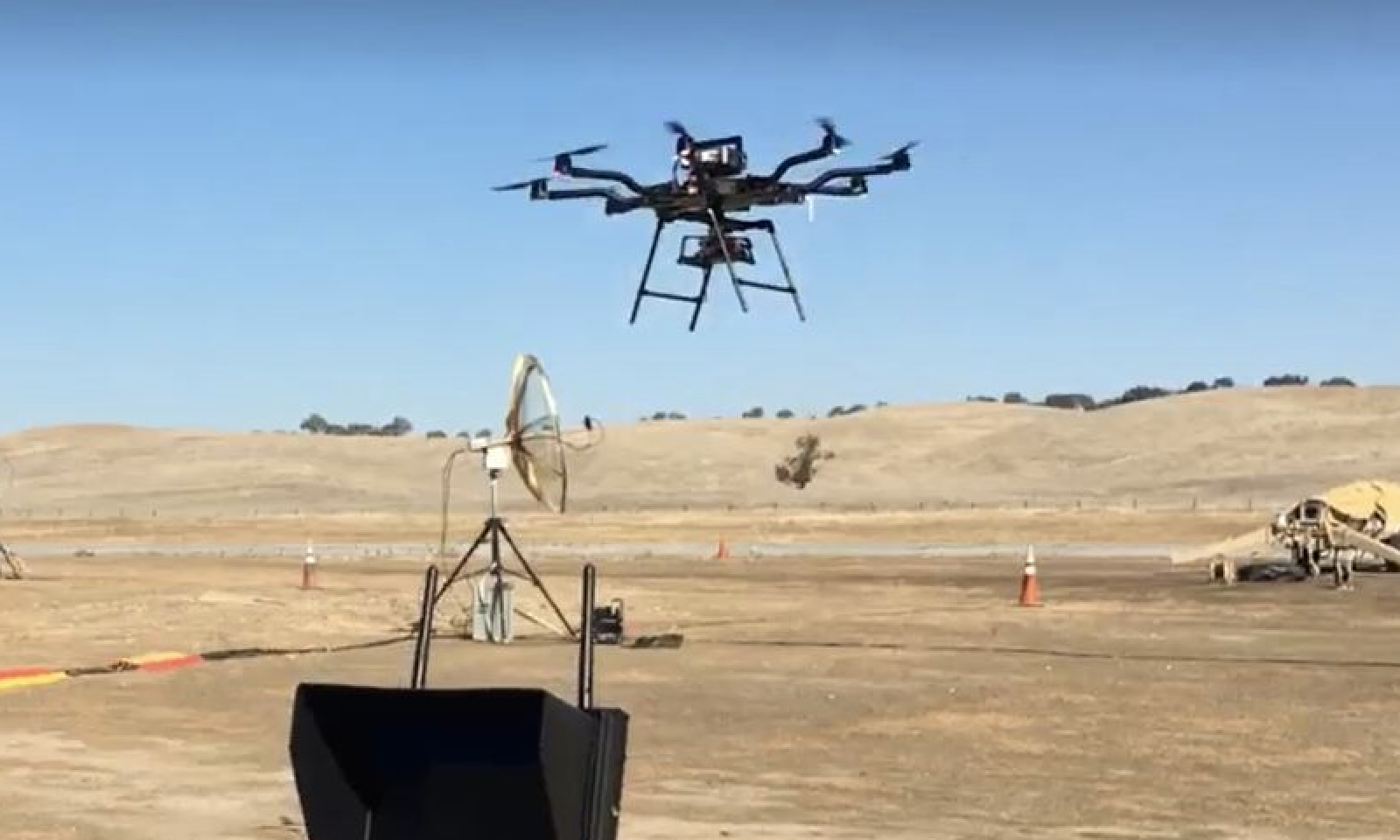
Research conducted by ECE faculty covers a wide range of defense-related areas ranging from electronic warfare, cyber systems, and advanced information warfare systems, to microgrids and shipboard electric power.
Center for Joint Services Electronic Warfare
Center for Multi-Int Studies
Asset Publisher
Upcoming Events
Contact Us
Contact Us
833 Dyer Road
Monterey, CA 93943-5216
Spanagel Hall, Room 437
Email: eceinfo@nps.edu
Phone: (831) 656-2081/2082
DSN: 756-2081/2082
Fax: (831) 656-2760
A MESSAGE FROM THE CHAIR, DR. DOUGLAS FOUTS

Research conducted by ECE faculty spans a broad swath of leading-edge technology which impacts most facets of the Defense Department's warfighting capability, ranging from secure voice and computer communication networks to advanced information warfare systems, guidance of precision strike weapons and shipboard electric power. Faculty address new challenges continuously as projects are brought on board to investigate the latest technical problems.
Department News
Asset Publisher
Alumni Spotlight
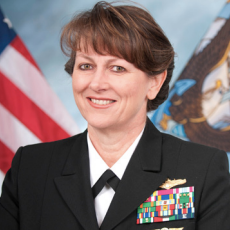
“The demand signal from the leadership across the Navy has never been as strong as the demand we’re getting for the skills that you are developing here.” “...It is an academic experience, but it is also an experience with your fellow officers, international officers and with the faculty, who you may reach out to once you get out there and ask for advice, and I think that’s a great thing.”
Jan Tighe VADM, U.S. Navy (Ret.) Former Deputy Chief of Naval Operations for Information Warfare/66th Director of Naval Intelligence, ECE Graduate