
Information Strategy Research Center at the Naval Postgraduate School - DoD Information Strategy Research Center



Events
The 2024 DoD Symposium on Information Strategy and Political Warfare (SISPoW) will be held in June 2024. Check back for updates. We hope for your participation and attendance in June! Please reach out to the DoD ISRC with any questions @ DODISRC@nps.edu
Subscribe
Don't miss an update! Submit your name and email address below to receive our monthly newletter.
Sponsor
Office of the Under Secretary of Defense for Policy
Office of Information Operations Policy (OIOP)
DoD Symposium on Information Strategy and Political Warfare
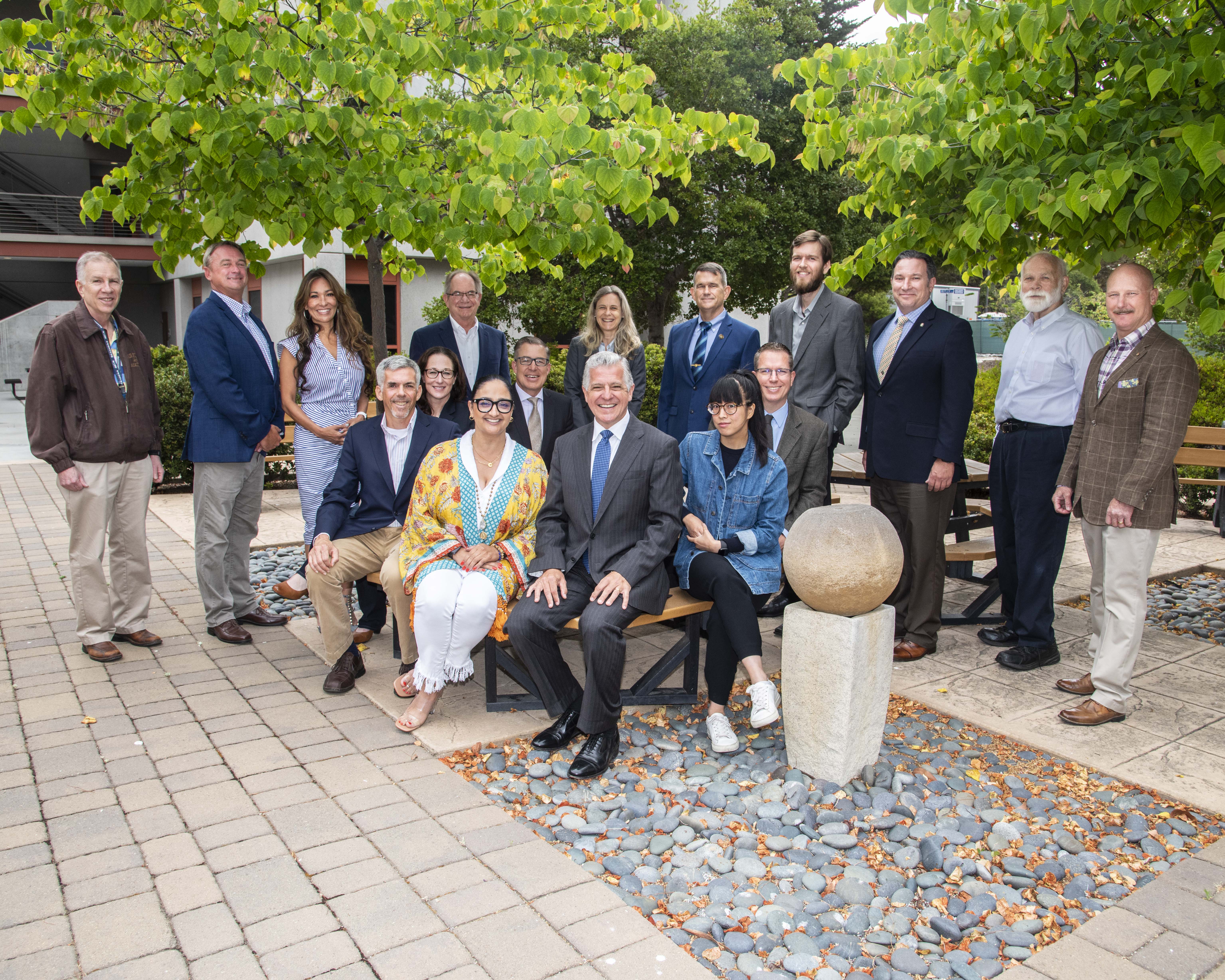
The Symposium on Information Strategy and Political Warfare was a successful three-day hybrid conference consisting of subject matter experts from private, public and academic institutions discussing and debating Great Power Competition for Geographic and Strategic Reach. As a result further collaborations on the subject have emerged and we look forward to next year which we hope will be back to an in-person event. The next year's theme is forthcoming.
Information Exchange
Current Research Highlight

There are several active research programs at NPS. While they are not focused wholly on information operations, they do IO related research at times.